18K Gold Plated vs 925 Sterling Silver: Which to Wholesale in 2026?
- Share
- publisher
- Hengdian
- Issue Time
- Oct 6,2026
Summary
A wholesale buyer's comparison of 18K gold plated brass versus 925 sterling silver: cost, durability, plating, maintenance, and which customer segments each serves. Material-education only — no external brand promotion.
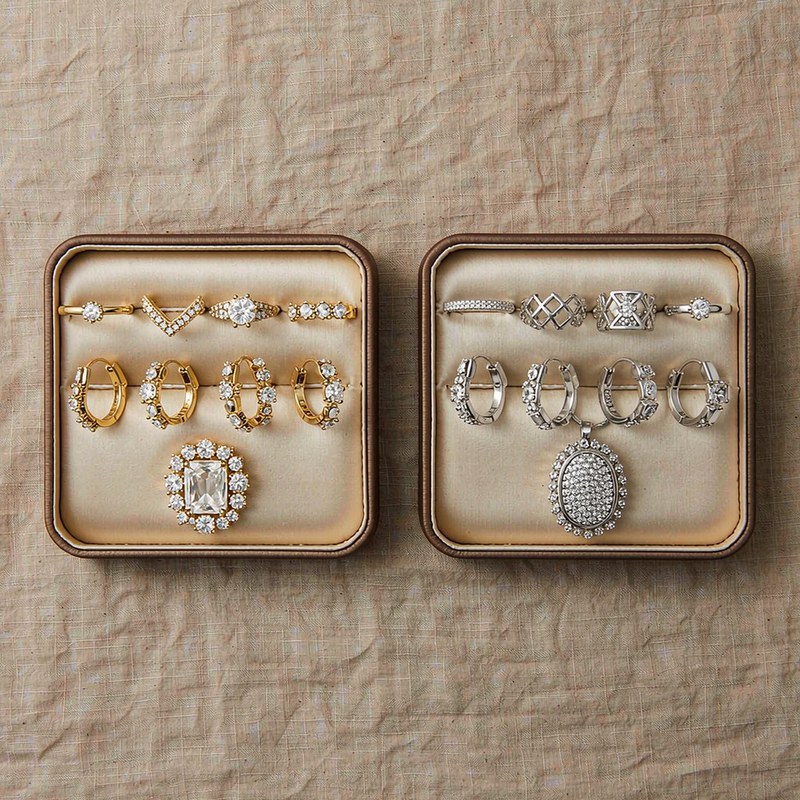
What Each Material Actually Is
18K gold plated brass is a brass core finished with a thin layer of 18-karat gold (about 75% pure gold content in the plating) over the surface. At Hengdian (HD) Jewelry our standard plating thickness is 0.1-0.3 micron, applied in our own factory to keep colour consistent across bulk orders. 925 sterling silver, by contrast, is a solid alloy of 92.5% pure silver and 7.5% other metals (usually copper) — it is not plated, the silver runs through the whole piece. The gold jewelry stamps guide explains how markings like 18KGP and 925 tell the two apart at a glance.
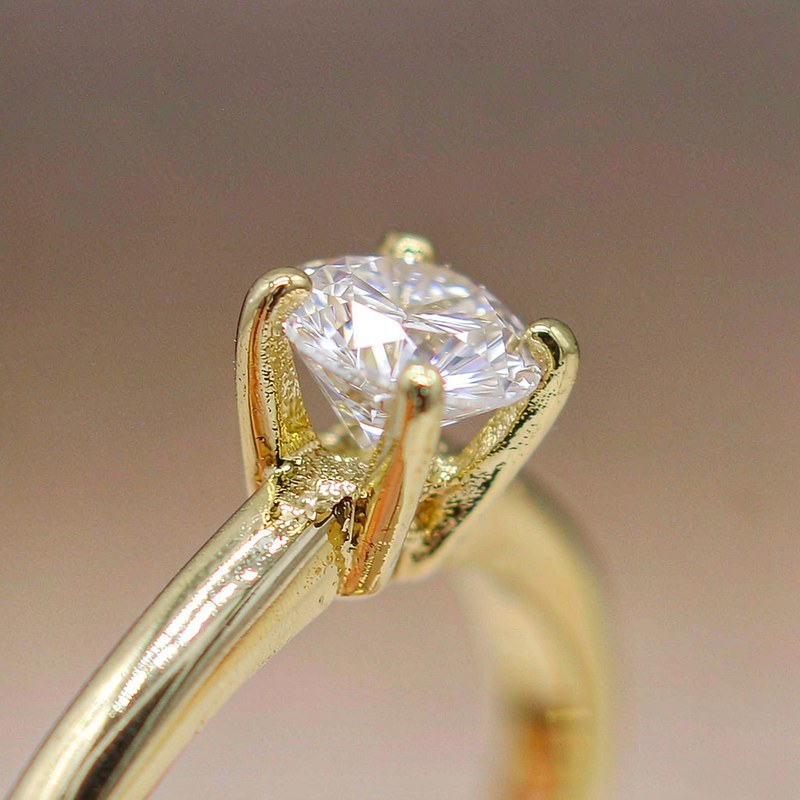
Durability & Tarnish: Which Lasts Longer in Daily Wear
Neither material is forever-proof, but they age differently. Gold plating protects the brass core; once the 0.1-0.3 micron layer wears at high-contact points, the brass underneath can show through and may tint. Sterling silver tarnishes naturally as the silver reacts with sulfur in the air, but the metal itself does not disappear — a quick polish restores the shine. So when buyers ask 925 silver vs gold plated, the honest answer is: silver tarnishes but is renewable, while plating can thin with heavy wear. Our gold plated tarnish guide covers realistic timelines and prevention for wholesale stock.
Cost & MOQ for Wholesale Buyers
For volume buying, gold plated vs silver is mostly a cost story. 18K gold plated brass is the lower-cost line: it lets retailers and wholesalers hold a wide, fast-turning assortment without tying up capital in precious metal. At Hengdian (HD) Jewelry, ready-to-ship styles run 6-12 pieces per style (HAI-coded designs start at 36 pieces), with a live inventory of 40,000+ pieces and 500+ new designs added every month. Sterling silver carries a higher material cost per unit, which raises the entry price for the same catalogue size. If your market wants fashion-forward, frequent-refresh jewelry at approachable price points, gold plated is the scalable choice.
Skin Safety: Nickel-Controlled, Not a Blanket Claim
Buyers with sensitive skin care about what touches their skin. Our 18K gold plated line is nickel-release controlled to REACH limits, with the plating acting as a barrier between skin and the brass core, and it is backed by REACH / RoHS / ASTM compliance with SGS certification. We avoid promising the jewelry is free of nickel, because nickel is a REACH-controlled substance we manage through controlled release rather than claim away. This is the same skin-safe approach covered in our hypoallergenic guide. Sterling silver is generally well tolerated, but the copper content can still react for some wearers — neither material is a universal guarantee.
Care & Maintenance
Gold plated pieces stay best when kept away from water, perfume, and chlorine, and stored dry — our shower-and-swim guide explains the limits. Sterling silver is more water-tolerant but needs occasional polishing to remove tarnish. For a wholesale programme, gold plated is lower-fuss to ship and display; silver needs a little more after-sale care communication.
Why Hengdian (HD) Jewelry for Gold Plated Wholesale
Frequently Asked Questions
What is the main difference between 18K gold plated brass and 925 sterling silver?
18K gold plated brass is a brass core with a thin 18-karat gold surface layer (our standard 0.1-0.3 micron), while 925 sterling silver is a solid alloy that is 92.5% silver through and through. One is plated, the other is homogeneous — that single fact drives the differences in cost, repair, and care.
Which tarnishes faster — 18K gold plated or 925 sterling silver?
Sterling silver tarnishes from air exposure but polishes back to bright; gold plating does not "tarnish" so much as gradually thin at contact points, eventually showing the brass core. With normal wear and dry storage, gold plated keeps its colour longer before any base shows, while silver needs periodic polishing.
Is 18K gold plated jewelry more affordable than 925 silver for wholesale?
Yes, for the same catalogue size. Gold plated brass avoids the precious-metal material cost, so wholesalers can stock a broader, faster-turning range at lower unit cost. Ready styles at Hengdian (HD) Jewelry ship at 6-12 pieces per style, which keeps reorder capital low.
Can I wear 18K gold plated jewelry in water like silver?
We advise against it. Water, soap, and chlorine speed up plating wear on gold plated pieces, whereas silver tolerates water better but still tarnishes. Keep gold plated dry and store it in a pouch to protect the 0.1-0.3 micron gold layer.
Which is better for sensitive skin — 18K gold plated or 925 sterling silver?
Both can work for many wearers. Our gold plated line is nickel-release controlled to REACH limits with the plating as a skin barrier and SGS-backed compliance; we avoid blanket claims that the piece is free of nickel. Silver's copper content can still react for some people, so neither is a universal promise — match the piece to the wearer.
Which should my retail store stock — gold plated or sterling silver?
Stock gold plated for fashion-forward, frequent-refresh, price-sensitive assortments with fast turnover. Stock sterling silver for higher price-point, heirloom-leaning, metal-purity-minded buyers. Many retailers carry both tiers; if you start with one, gold plated is the lower-risk, higher-velocity entry.
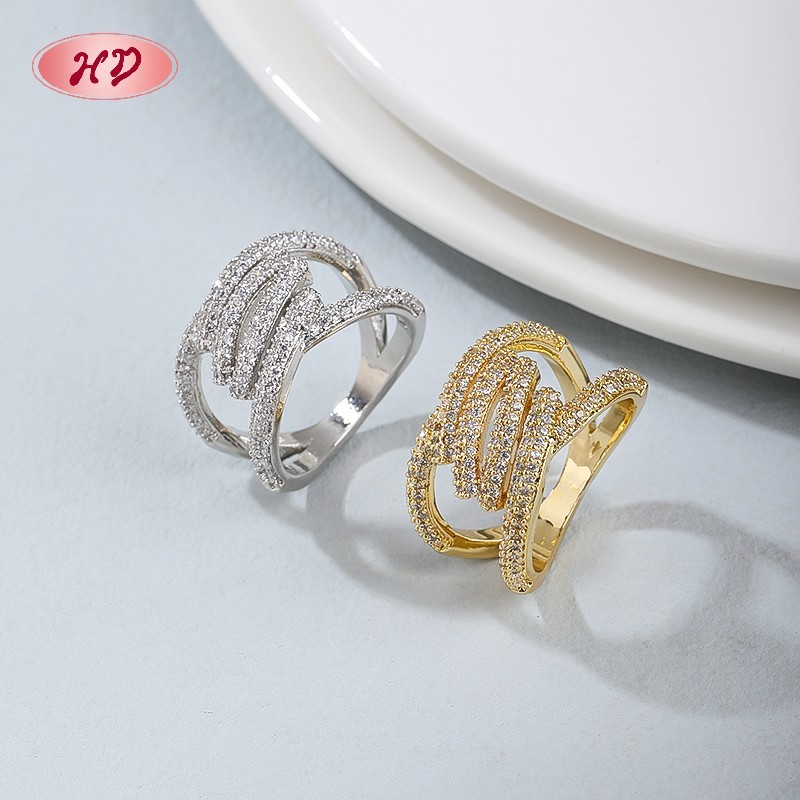
Related 18K Gold Plated Products
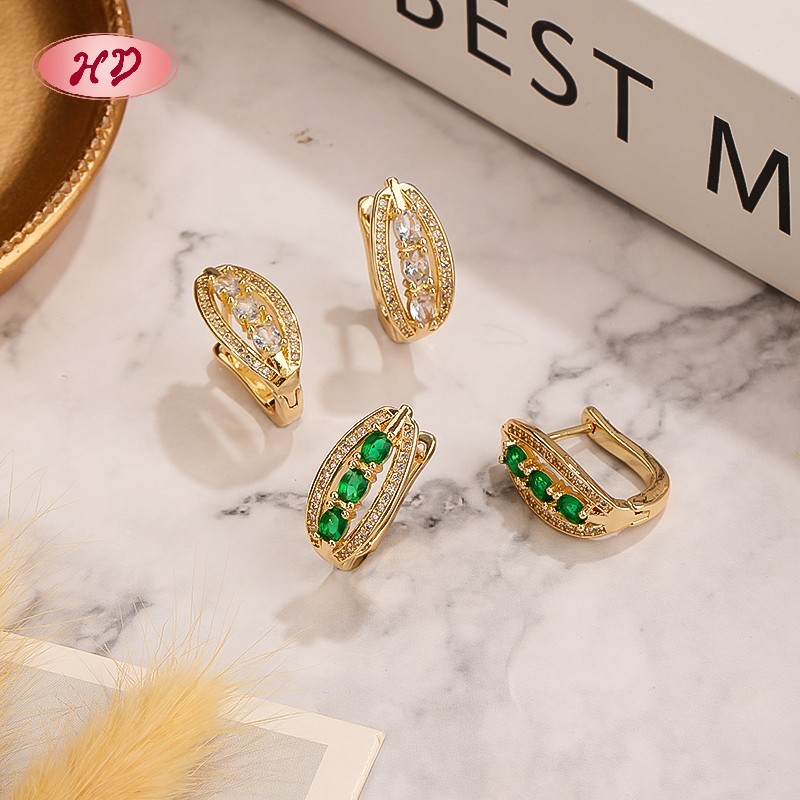
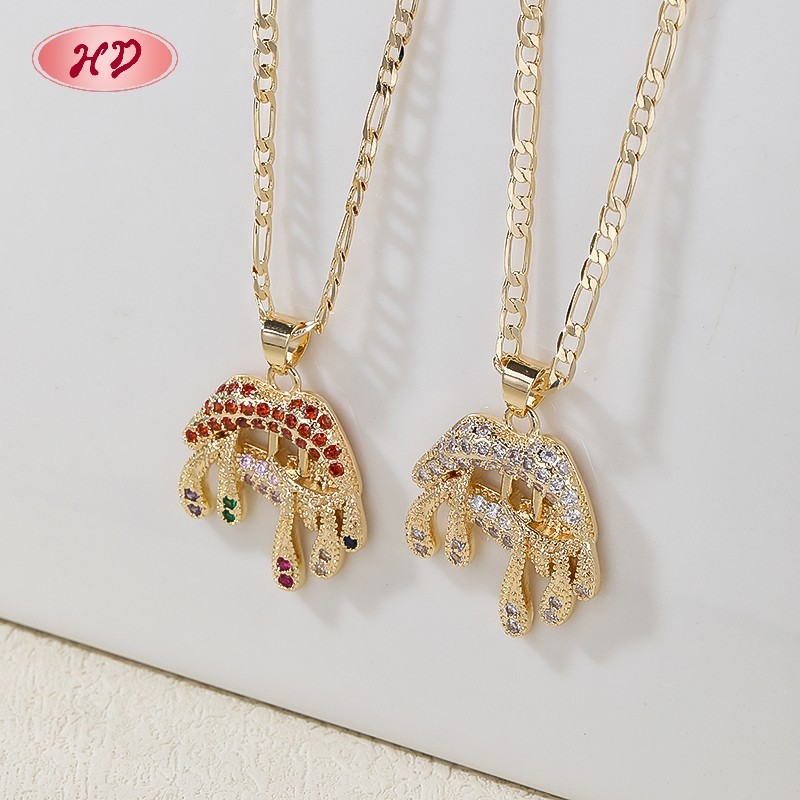
Want a tailored wholesale quote or free samples (5-7 pieces, freight prepaid before shipping)?
More Gold Plated Buying Guides
- Gold Plated Brass Jewelry — The Complete Quality & Durability Guide
- 18K Gold Plated Jewelry Wholesale — Premium Fashion Line Buying Guide
- Quality Inspection Checklist Before Accepting a Wholesale Shipment
- Hypoallergenic & Nickel-Controlled: Why HD Gold-Plated Line Is Skin-Safe
- Does 18K Gold Plated Jewelry Tarnish? Causes, Timeline & Prevention
- Gold Jewelry Stamps Explained: 18KGP, 18KGEP, 925, CZ Meaning