OEM vs ODM Jewelry Manufacturing Explained
- Share
- publisher
- Lila
- Issue Time
- May 26,2026
Summary
Learn OEM vs. ODM jewelry manufacturing: differences, pros/cons, and how to choose the right partner.
Introduction
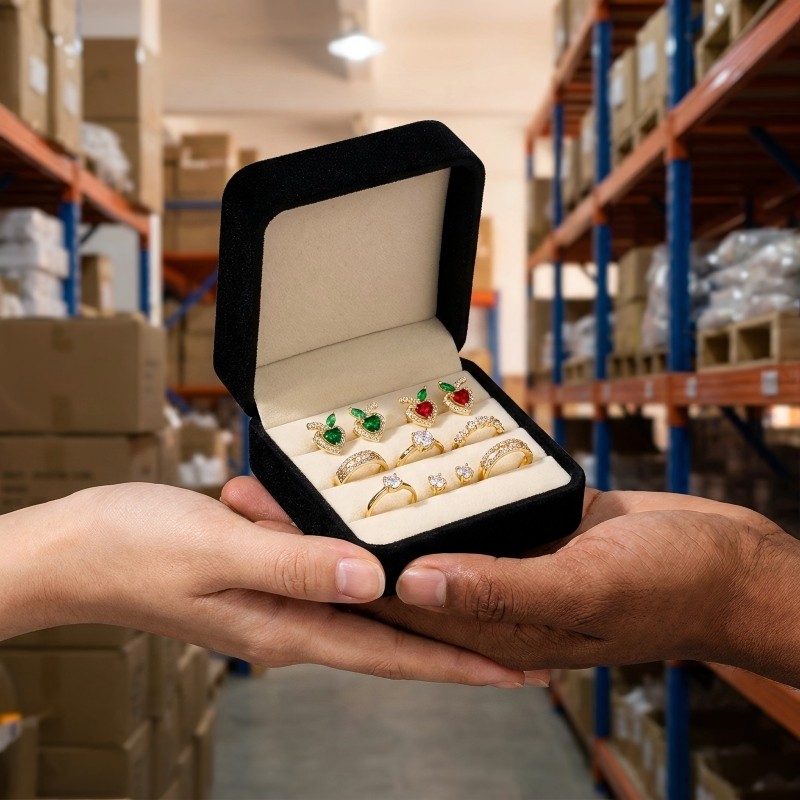
The jewelry industry is glittering with opportunity. From Instagram boutiques to Amazon sellers and luxury retail startups, thousands of brands are entering the market every year. But behind every successful jewelry brand lies one critical decision: Should you choose OEM or ODM manufacturing? If these terms sound confusing, don't worry—you're not alone. Many first-time jewelry business owners mix them up. Yet understanding the difference can save you time, money, and countless headaches. In this guide, we'll break down everything you need to know about OEM vs ODM jewelry manufacturing in simple terms. Whether you're launching a fashion jewelry brand, sourcing products for wholesale, or scaling your cross-border eCommerce business, this article will help you make smarter decisions.
What Does OEM Mean in Jewelry Manufacturing?
OEM stands for Original Equipment Manufacturer. In the jewelry world, OEM means you provide the design, and the manufacturer produces it for you. Think of it like hiring a tailor. You bring the sketch, fabric ideas, and specifications, while the factory turns your vision into a finished product.
1. How OEM Jewelry Manufacturing Works
Here's the typical OEM process:
(1) You create or submit a jewelry design
(2) The manufacturer develops samples
(3) You approve materials, plating, stones, and packaging
(4) Mass production begins
(5) Products are shipped under your brand name
OEM manufacturing gives brands full control over:
(1) Jewelry design
(2) Brand identity
(3) Packaging
(4) Product specifications
(5) Market positioning
This is why OEM is popular among established jewelry brands looking to create unique collections.
2. Advantages of OEM Jewelry Manufacturing
(1) Full Design Ownership: Your products remain unique to your brand. Competitors can’t easily copy your exact collection.
(2) Stronger Brand Identity: OEM allows you to build a recognizable jewelry brand with exclusive designs.
(3) Better Long-Term Profit Margins: Unique products often justify higher retail prices.
(4) Flexible Material Selection (you can customize):
a. Brass or sterling silver
b. 18K gold plating thickness
c. Zirconia quality
d. Chain length
f. Stone setting styles
3. Challenges of OEM Manufacturing
Of course, OEM isn't perfect.
(1) Higher Development Costs.
(2) Custom molds and prototypes require investment.
(3) Longer Lead Times.
(4) Creating a product from scratch takes time.
(5) Higher MOQ Requirements: some factories require larger minimum order quantities for custom production.
What Does ODM Mean in Jewelry Manufacturing?
ODM stands for Original Design Manufacturer. With ODM, the factory already has existing jewelry designs. You simply choose products and sell them under your own brand. Imagine walking into a fully furnished apartment instead of building a house from the ground up. That’s ODM.
1. How ODM Jewelry Manufacturing Works
The process is much faster:
(1) Browse the supplier's catalog
(2) Select existing jewelry designs
(3) Add your logo or packaging
(4) Place an order
(5) Start selling
ODM is especially popular for:
(1) Startups
(2) Small wholesalers
(3) Shopify jewelry stores
(4) Amazon sellers
(5) TikTok jewelry brands
2. Advantages of ODM Jewelry Manufacturing
(1) Faster Time to Market: You can launch products within days or weeks instead of months.
(2) Lower Startup Costs: No need for expensive mold development.
(3) Trend-Driven Product Selection: Factories often update collections based on market trends.
(4) Lower Risk: You can test products before investing heavily in custom development.
3. Challenges of ODM Manufacturing
(1) Less Product Exclusivity: Other brands may sell similar designs.
(2) Limited Customization: You can usually adjust logos or packaging, but not core product structures.
(3) Strong Competition: Since designs are shared, pricing wars can happen.
| Feature | OEM | ODM |
| Product Design | Client-owned | Factory-owned |
| Development Cost | Higher | Lower |
| Production Speed | Slower | Faster |
Exclusivity | High | Medium to Low |
Exclusivity | High | Medium to Low |
Customization | Full | Limited |
Best For | Established Brands | Startups & Wholesalers |
Which Manufacturing Model is Better for Jewelry Brands?
Honestly, there's no universal answer. It depends on your business stage, budget, and goals.
1. Choose OEM If:
(1) You want exclusive jewelry designs
(2) You have a long-term branding strategy
(3) You already understand your target market
(4) You have a higher budget
(5) You want stronger intellectual property protection
2. Choose ODM If:
(1) You're launching quickly
(2) You're testing the market
(3) You want lower upfront costs
(4) You need fast-moving trend jewelry
(5) You run a wholesale or dropshipping business
For many brands, the smartest strategy is actually a combination of both. Start with ODM to validate your market, then move into OEM once you understand customer preferences. It's like dating before marriage. You test compatibility before making a long-term commitment.
Important Factors When Choosing a Jewelry Manufacturer
Not all factories are equal. Choosing the wrong supplier can damage your brand reputation quickly. Here's what smart buyers look for:
1. Material Quality
Fashion jewelry buyers care deeply about: (1) tarnish resistance; (2) skin-friendly plating; (3) stone durability; (4) color consistency. Brass with 18K gold plating remains one of the most popular choices because it balances affordability and luxury appearance.
2. Production Capacity
Can the factory scale with your business? A supplier handling 100 pieces today should also support 10,000 pieces tomorrow.
3. Design Update Frequency
Trend-driven brands need constant new arrivals. Factories that release fresh collections regularly help businesses stay competitive.
4. Quality Control
Poor stone setting, weak clasps, and uneven plating can destroy customer trust. Reliable manufacturers implement strict inspections during every production stage.
5. Inventory Availability
Stock-ready products reduce waiting times and improve cash flow for wholesalers and online sellers.
Recommended Jewelry Supplier: Hengdian(HD) Jewelry
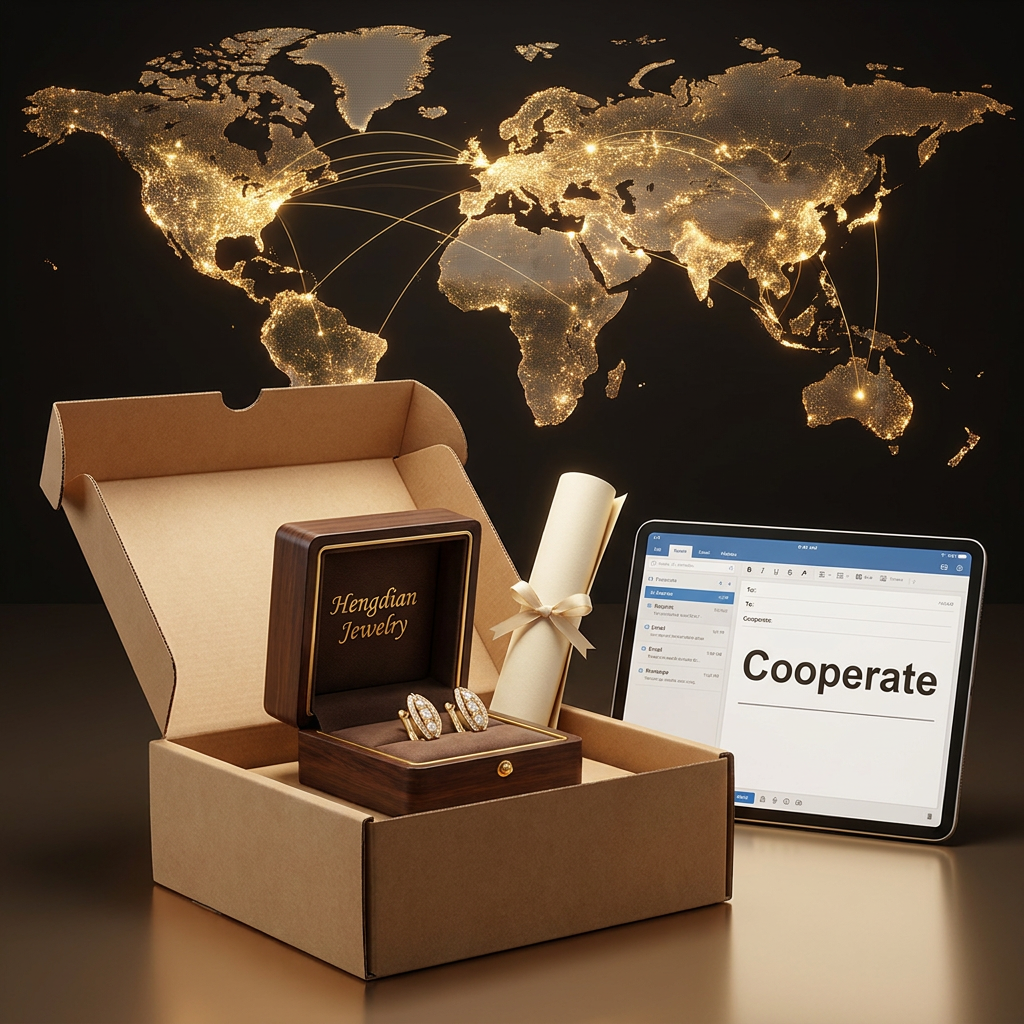
For businesses looking for a reliable fashion jewelry manufacturer, Hengdian (HD) Jewelry has become a popular choice among global wholesalers and cross-border eCommerce sellers. What Makes Hengdian (HD) Jewelry Stand Out?
1. Dual OEM & ODM Capabilities
One major advantage of Hengdian (HD) Jewelry is its ability to support both: ready-stock wholesale orders and fully customized jewelry production. This flexibility allows businesses to scale efficiently depending on market demand.
2. Specialized in Fashion Jewelry
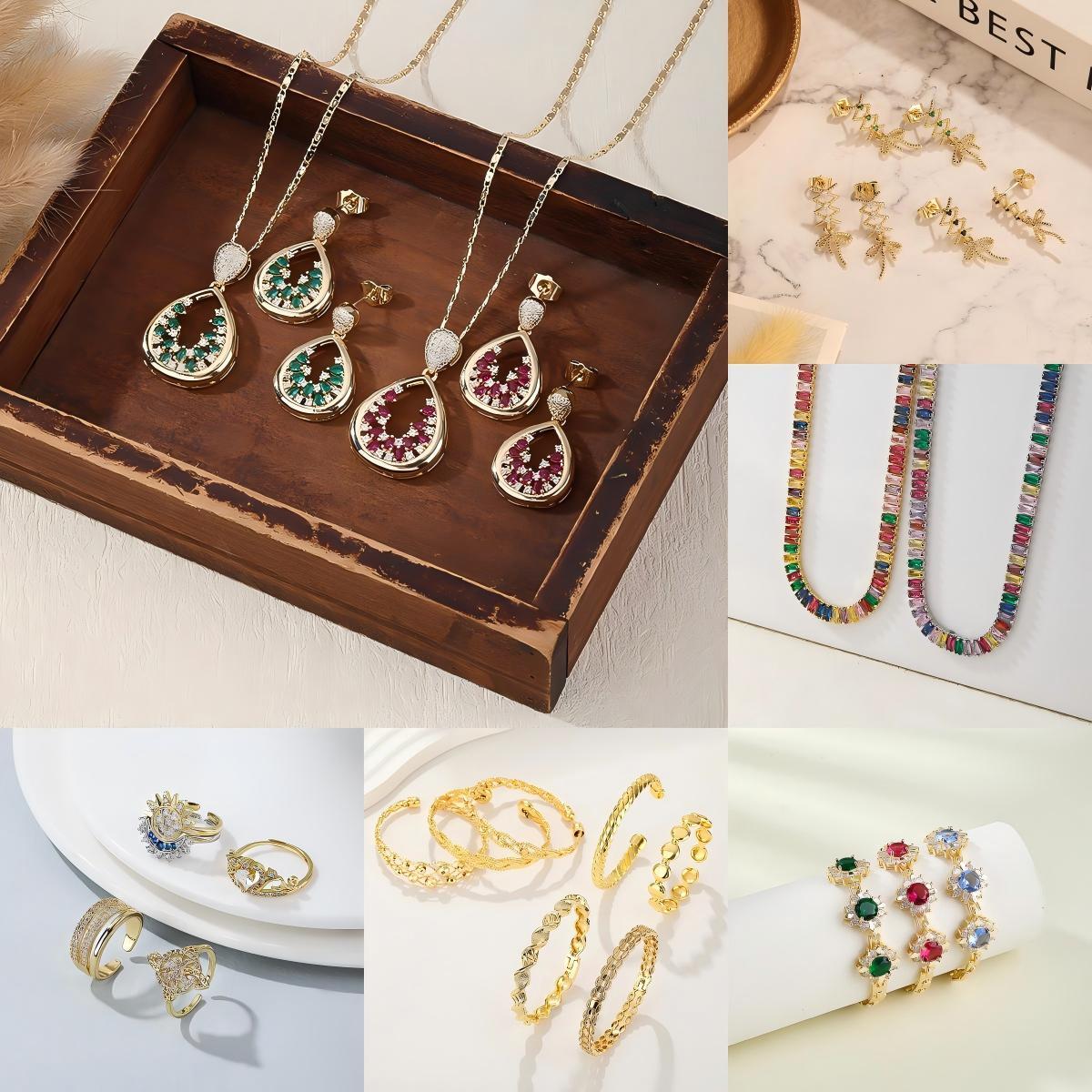
The company offers a full-category jewelry lineup, including:
(1) Earrings
(2) Necklaces
(3) Rings
(5) Jewelry sets
With over 40,000+ in-stock SKUs and 500+ new designs released monthly, buyers can continuously refresh their collections.
3. Factory-Owned Production
Unlike trading companies, Hengdian (HD) Jewelry operates its own factory. This allows tighter control over:
(1) Design development
(2) Manufacturing
(3) Quality inspection
(4) Production timelines
(5) Product consistency
For buyers, that often means better communication and more stable quality standards.
Conclusion
OEM and ODM jewelry manufacturing are not competitors—they're tools. Choosing the right one depends on where your business stands today and where you want it to go tomorrow. If you want exclusivity and long-term branding, OEM offers powerful advantages. If you prioritize speed, lower costs, and flexibility, ODM may be the smarter path. And for many successful jewelry businesses, combining both models creates the ideal balance. Manufacturers like Hengdian(HD) Jewelry demonstrate how modern jewelry suppliers can support both fast-moving wholesale needs and customized brand development under one roof. In today's competitive jewelry market, flexibility isn't just helpful—it's survival. Share your business goals with us now. We will tailor proper OEM or ODM solutions to match your demands and drive steady growth for your jewelry brand. Feel free to get in touch to start your customized cooperation journey.
FAQs
Q1. What is the main difference between OEM and ODM jewelry manufacturing?
A1. OEM involves custom designs created by the buyer, while ODM uses pre-existing factory designs that buyers can rebrand.
Q2. Is OEM jewelry manufacturing more expensive?
A2. Yes. OEM typically involves mold fees, sampling costs, and longer development timelines.
Q3. Why do many startups choose ODM jewelry suppliers?
A3. ODM offers lower risk, faster production, and lower upfront investment, making it ideal for new businesses.
Q4. Can one manufacturer provide both OEM and ODM services?
Yes. Many advanced jewelry factories, including Hengdian(HD) Jewelry, support both manufacturing models.
Q5. How do I choose a reliable jewelry manufacturer?
A5. Look for suppliers with strong quality control, stable production capacity, frequent design updates, and transparent communication.
New Jewelry Recommendation by Hengdian (HD) Jewelry
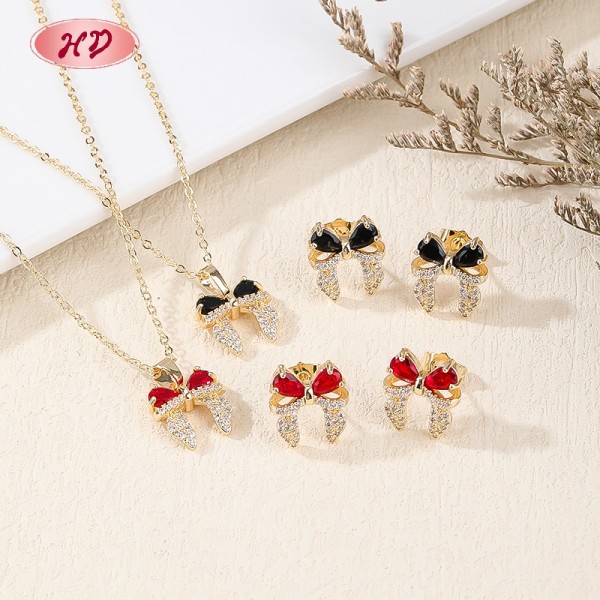
It fits daily commuting, casual outings, dating gatherings and parties, also works as birthday or holiday gifts.
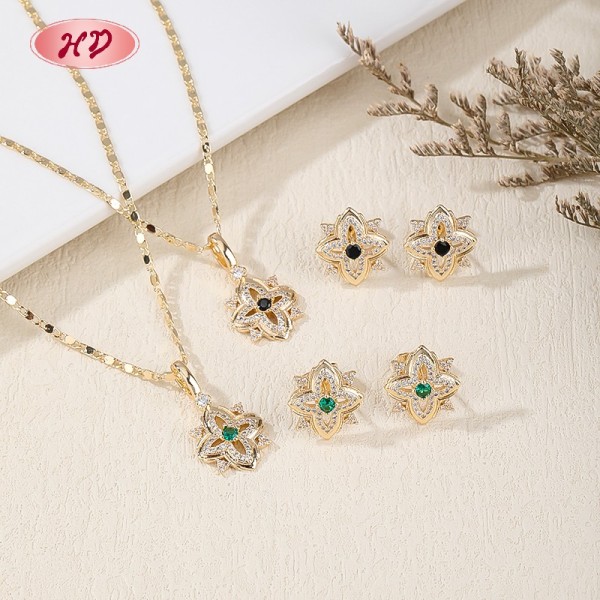
Jewelry set with modern minimalist design, crafted from premium copper alloy with long‑lasting 18K gold plating.
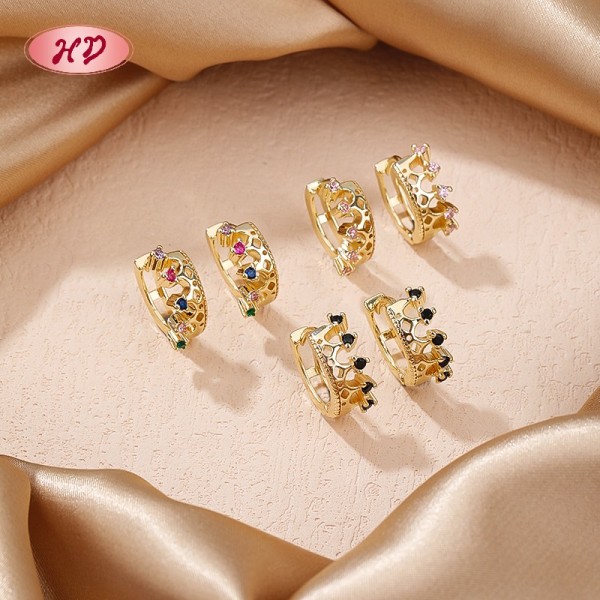
These romantic crown huggie earring feature 18k gold plating on copper alloy, inlaid with sparkling cubic zirconia.
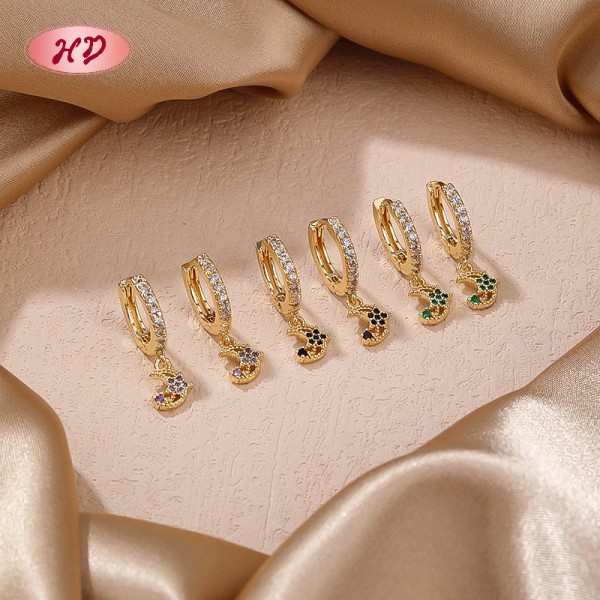
Hengdian Jewelry 18K gold plated star moon huggie earrings, cubic zirconia inlay with copper alloy base for wedding.
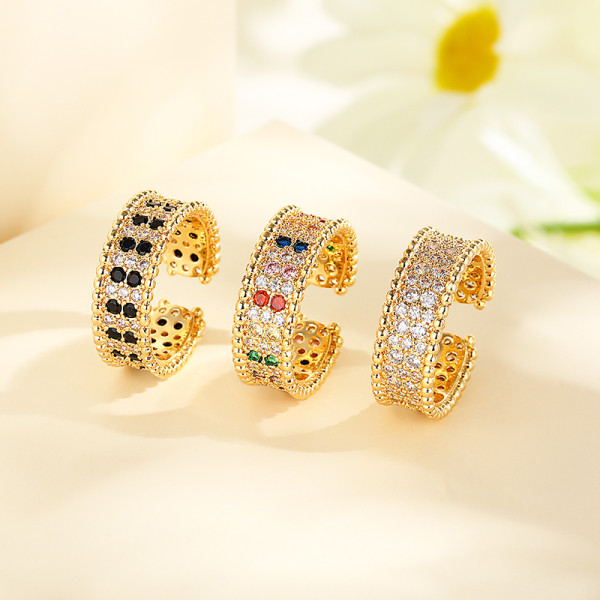
Custom-made 18k gold & rhodium plated brass AAA cubic zirconia unique rings for women high quality at factory price
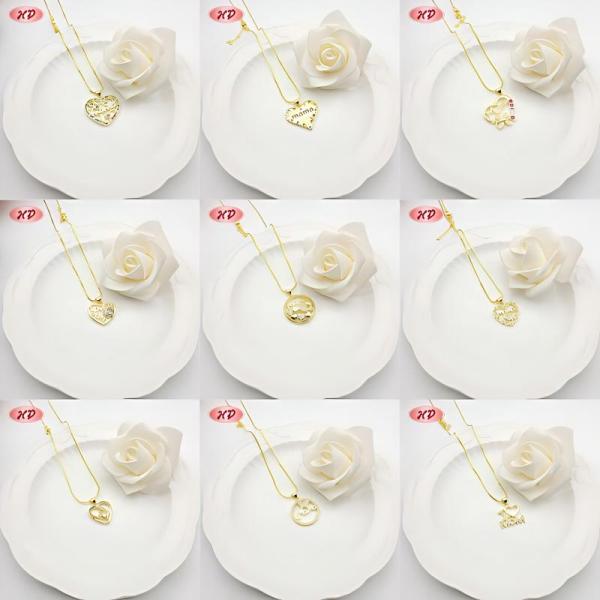
This dainty yet meaningful necklace combines elegant design with heartfelt sentiment.
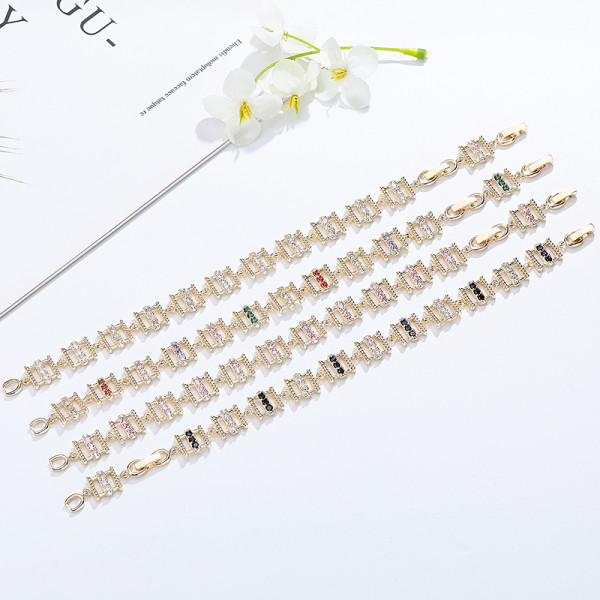
Women's multi-sku18k brass gold plated AAA cubic zirconia fashion bracelet wholesale, China jewelry supplier.
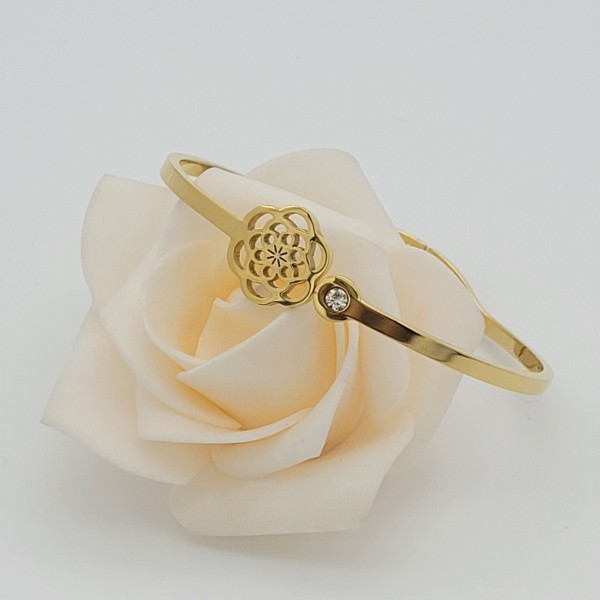
This stainless steel bangles plated in 18k gold, made of stainless which is good quality and chunky, which has many designs...