The First-Timer's Guide to Jewelry: What to Know Before You Buy
- Share
- Issue Time
- Mar 17,2026
Summary
This comprehensive guide serves as an invaluable resource for first-time jewelry buyers, offering essential knowledge to make informed decisions and procure cherished pieces. It delves into the foundational aspects of jewelry selection, starting with an in-depth look at various metals, including gold (differentiating between 24K, 18K, 14K, and 10K, and exploring white and rose gold variations), platinum, and sterling silver. The guide highlights their unique characteristics, durability, and suit
Buying jewelry for the first time can be an exciting yet overwhelming experience. This guide will help you understand the basics of jewelry selection, ensuring you make informed decisions and find pieces you'll cherish for years to come. From understanding the differences between metals and gemstones to recognizing quality craftsmanship, this first-timer's guide will provide you with the essential knowledge needed before you make your first purchase.
Key Takeaways
- Know Your Metals: The foundation of any piece of jewelry is its metal. Gold offers versatility in color (yellow, white, rose) and purity (karat), while platinum provides superior durability and is hypoallergenic. Sterling silver is an affordable and stylish option for fashion jewelry.
- Understand Gemstones: For many, the gemstone is the heart of the jewelry. Whether it's a diamond evaluated by the "4 Cs" (Cut, Color, Clarity, Carat), a vibrant colored gem like a ruby or sapphire, or a timeless pearl, knowing the key quality factors is crucial for making a wise investment.
- Quality and Craftsmanship Matter: Beyond the materials, the quality of a piece is determined by its construction. Look for secure settings, a smooth finish, and hallmarking that indicates the metal's purity. A reputable certification, especially for significant gemstone purchases, provides essential verification of authenticity and quality.
- Define Your Purpose and Style: The best jewelry purchase is one that aligns with your lifestyle and personal taste. Consider whether the piece is for everyday wear or special occasions, and choose a style that complements your existing wardrobe. Setting a realistic budget will help narrow your options and ensure you find a piece you love without overspending.
Understanding Metals: The Foundation of Your Jewelry
One of the first decisions you'll make when buying jewelry is choosing the metal. Each precious metal has unique characteristics, affecting its appearance, durability, and cost. Precious metals like gold, silver, and platinum are popular because they resist corrosion and oxidation. Pure metals are often mixed with others to create alloys, which enhances their strength and makes them more practical for everyday wear.
Gold: Classic and Versatile
Gold is a timeless and highly sought-after metal in jewelry making, prized for its beautiful luster and resistance to tarnish. It's also highly malleable, which allows jewelers to craft it into intricate designs. Since pure 24k gold is too soft for most jewelry, it is alloyed with other metals like copper, silver, nickel, and zinc to increase its strength. These alloys also create the different colors of gold that are popular today.
Karatage Explained
The purity of gold is measured in karats (K). A karat is a measurement of the ratio of pure gold to other metals in an alloy, based on a 24-part scale. For example, 18K gold consists of 18 parts pure gold and 6 parts other metals. The higher the karat number, the purer the gold content.
Here is a breakdown of the most common gold karatages:
| Karatage | Pure Gold Content | Characteristics |
|---|---|---|
| 24K | 99.9% | The purest form of gold, it has a rich, deep yellow color. However, it is very soft and not recommended for everyday jewelry as it bends and scratches easily. |
| 18K | 75% | Offers a rich and vibrant yellow hue and is considered the standard for high-end fine jewelry. It is softer than 14K gold but is less likely to cause skin irritation. |
| 14K | 58.3% | The most popular choice for jewelry in the U.S., it provides an ideal balance of durability, affordability, and rich color. It's strong enough for everyday wear, making it perfect for engagement and wedding rings. |
| 10K | 41.7% | The most durable and affordable option, it contains the highest percentage of alloyed metals. Its color is a paler yellow, and its durability makes it suitable for pieces that endure a lot of wear. |
White Gold vs. Rose Gold
Beyond traditional yellow gold, white gold and rose gold have become incredibly popular choices, each offering a distinct aesthetic.
White Gold is an alloy of pure gold mixed with white metals such as palladium, manganese, or nickel. It is often coated with a layer of rhodium—a hard, platinum-group metal—to give it a brilliant, silvery-white sheen and enhance its durability. This rhodium plating may need to be reapplied every few years to maintain its bright finish.
Rose Gold, known for its romantic, pinkish hue, is created by alloying pure gold with copper. The inclusion of copper not only imparts its signature color but also makes rose gold highly durable—even more so than yellow or white gold. The intensity of the rosy color depends on the ratio of copper to gold.
Here’s a comparative look:
| Feature | White Gold | Rose Gold |
|---|---|---|
| Composition | Gold + White Metals (Palladium, Nickel) + Rhodium Plating. | Gold + Copper (and sometimes a small amount of silver). |
| Color | Bright, silvery-white. | Warm, pinkish-red. |
| Durability | Durable, but the rhodium plating can wear over time. | Very durable due to the high copper content, making it resistant to daily wear. |
| Maintenance | May require re-plating every few years to maintain its color. | Low maintenance; color is through-and-through and won't fade. |
| Cost | Cost is generally similar to other golds of the same karatage, though long-term maintenance can add to the cost. | Often slightly more affordable than white gold because copper is less expensive than the alloys used in white gold. |
Platinum: Durable and Hypoallergenic
Platinum is the rarest and most durable of the precious metals used in jewelry. Its natural, luminous white color will not fade or change over time, meaning it doesn't require plating like white gold. One of platinum's key advantages is its density and strength, which makes it an excellent choice for securing valuable gemstones and for pieces intended for a lifetime of daily wear.
While platinum is highly durable, it can develop a unique matte finish over time known as a patina. Many people find this finish attractive, but it can be easily polished back to its original shine by a jeweler. Platinum is also naturally hypoallergenic, making it the ideal choice for people with sensitive skin. The primary downsides are its weight—it is significantly heavier than gold—and its higher price point, a reflection of its rarity and density.
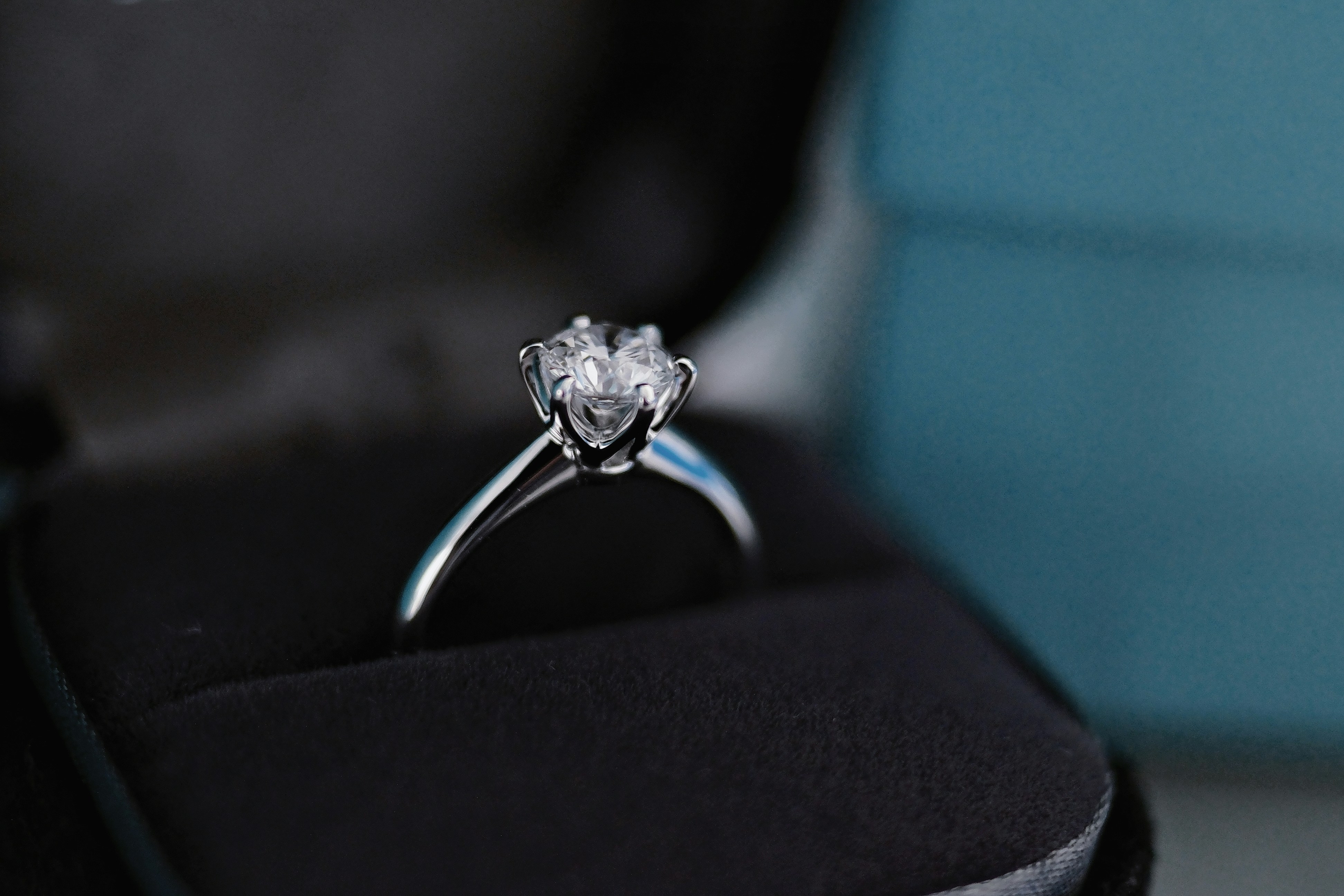
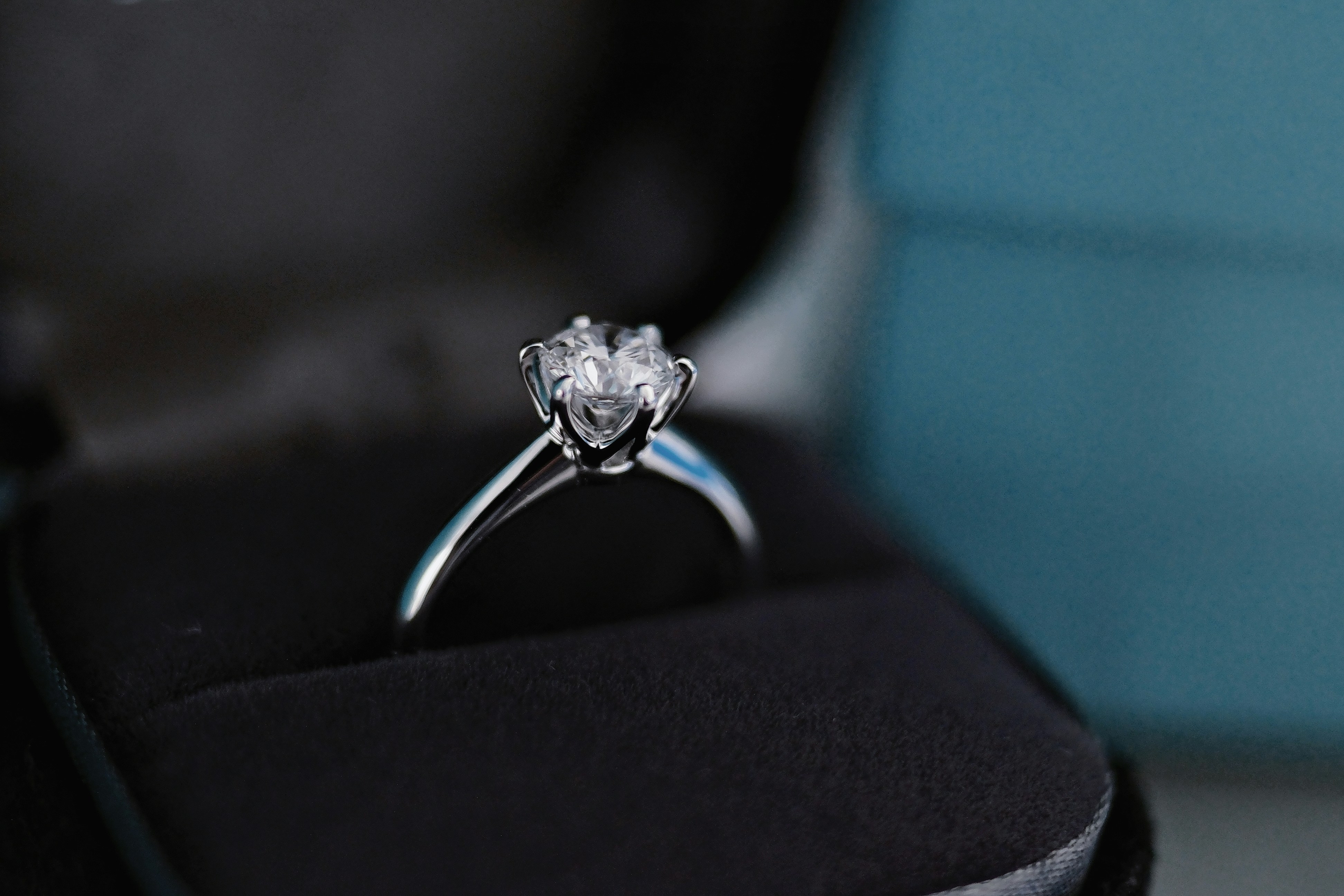 Alt text: A sleek platinum engagement ring showcasing its bright white luster.
Sterling Silver: Affordable Elegance
Sterling silver is a classic and affordable choice for jewelry. To be called sterling silver, the metal must be an alloy containing 92.5% pure silver and 7.5% other metals, typically copper. This mixture increases the metal's hardness and durability, as pure silver is too soft for most functional items. You can identify sterling silver by a hallmark or stamp that reads "925," signifying its 92.5% purity.
Silver's bright, cool luster makes it a versatile option for all types of jewelry, from casual pieces to more elaborate designs. Its main drawback is that it can tarnish over time when exposed to air and humidity. However, this is easily remedied, as tarnished silver can be cleaned with a simple polish. While not as durable as gold or platinum, sterling silver offers timeless elegance at a much more accessible price point.
Exploring Gemstones: The Heart of Your Jewelry
Gemstones are often the main event of a piece of jewelry, adding color, sparkle, and personal meaning. From the timeless brilliance of diamonds to the rich hues of colored gems and the organic elegance of pearls, there are countless options to explore. Understanding the different types and what gives them value is key to making a choice you'll be happy with.
Diamonds: The "4 C's" of Brilliance
Diamonds are treasured for their unparalleled sparkle and durability, making them a popular choice for significant pieces like engagement rings. Their quality and value are determined by a universal grading system known as the 4Cs, established by the Gemological Institute of America (GIA): Cut, Color, Clarity, and Carat Weight. Understanding these four factors is essential for any first-time buyer.
Cut: Maximizing Sparkle
Often considered the most important of the 4Cs, a diamond's cut is what determines its brilliance and fire. It refers not to the shape of the diamond (like round or pear), but to the quality of its facets, proportions, and symmetry. A well-cut diamond will interact with light masterfully, reflecting it back to the eye to create that desirable sparkle. Cut grades typically range from Excellent to Poor. A diamond with an Excellent or Very Good cut grade will appear more brilliant and lively than a poorly cut stone, even if their other characteristics are similar.
 Alt text: Diagram illustrating light performance in diamonds with different cut grades.
Color: The Absence of Hue
In white diamonds, "color" actually refers to the absence of color. The less color a diamond has, the rarer and more valuable it becomes. The GIA uses a D-to-Z color grading scale, where D represents a completely colorless diamond and Z indicates a noticeable light yellow or brown tint. Many of these color distinctions are so subtle they are invisible to the untrained eye but can significantly impact a diamond's price. Diamonds in the 'Colorless' (D-F) and 'Near-Colorless' (G-J) ranges are the most popular choices for fine jewelry.
Clarity: Internal Perfection
Diamond clarity refers to the absence of internal features called "inclusions" and surface irregularities called "blemishes." These tiny imperfections are natural "birthmarks" that formed during the diamond's creation deep within the earth. The GIA clarity scale ranges from Flawless (FL), where no inclusions or blemishes are visible under 10x magnification, to Included (I), where they are visible to the naked eye. Many diamonds have inclusions that are microscopic and do not affect the stone's beauty, making grades like Very Slightly Included (VS) or Slightly Included (SI) excellent value choices.
Carat Weight: Size Matters
Carat is the unit of measurement for a diamond's physical weight, with one carat equaling 0.2 grams. It's important to remember that carat measures weight, not necessarily visual size. The cut and shape of a diamond can affect how large it appears face-up. For example, elongated shapes like ovals or marquises can appear larger than a round diamond of the same carat weight. While a larger carat weight generally means a higher price, a well-cut diamond of a lower carat weight can often appear more brilliant and even larger than a poorly cut but heavier stone.
Colored Gemstones: A Spectrum of Meaning
Colored gemstones offer a vibrant way to express personality and style. Many stones are rich with history and symbolism, making them deeply personal choices. Red gemstones like rubies evoke passion, while blue stones like sapphires are associated with wisdom and tranquility.
Rubies: Passion and Symbolism
Known for its intense red hue, the ruby is a symbol of passion, love, vitality, and courage. The name "ruby" comes from ruber, the Latin word for red. As one of the four traditional precious gemstones (alongside diamond, sapphire, and emerald), it is prized for its hardness and rich color, which comes from traces of chromium. Rubies are the birthstone for July and are traditionally given for 15th and 40th wedding anniversaries, symbolizing enduring love.
Sapphires: Royalty and Serenity
Sapphire, most famously known for its deep blue color, has long been associated with royalty, wisdom, and serenity. However, sapphires come in a rainbow of colors, including pink, yellow, and green, known as "fancy sapphires." Like rubies, they are a variety of the mineral corundum, making them exceptionally durable and suitable for everyday wear. Sapphire is the birthstone for September and is a popular and timeless choice for all types of jewelry.
Emeralds: Nature's Green Beauty
With their lush, vibrant green, emeralds symbolize new beginnings, renewal, love, and friendship. These gems have been treasured since ancient times, famously adored by figures like Cleopatra. Emeralds are a variety of the mineral beryl and are known for often having inclusions, which are sometimes referred to as a jardin (garden) within the stone. These unique characteristics are part of an emerald's natural beauty. As the birthstone for May, emeralds perfectly capture the essence of spring.
Understanding Birthstones and Anniversary Gems
Birthstones and anniversary gems are a wonderful way to personalize jewelry, connecting a piece to a significant date or milestone. Civilizations have long believed that these stones hold special powers or bring good fortune. This tradition adds a layer of personal meaning to a gift or a self-purchase.
Here is a quick reference for modern birthstones and common anniversary gems:
| Month | Birthstone | Anniversary | Gemstone |
|---|---|---|---|
| January | Garnet | 1st | Gold |
| February | Amethyst | 5th | Sapphire |
| March | Aquamarine | 10th | Diamond |
| April | Diamond | 15th | Ruby |
| May | Emerald | 20th | Emerald |
| June | Pearl, Alexandrite | 25th | Silver |
| July | Ruby | 30th | Pearl |
| August | Peridot, Spinel | 40th | Ruby |
| September | Sapphire | 50th | Gold |
| October | Tourmaline, Opal | 60th | Diamond |
| November | Topaz, Citrine | ||
| December | Tanzanite, Zircon, Turquoise |
Pearls: Timeless and Elegant
Pearls are unique among gemstones because they are organic, created by living mollusks. Their timeless elegance has captivated people for centuries, offering a soft, luminous beauty that differs from the sparkle of faceted gems. There are four main types of cultured pearls, each with its own distinct characteristics.
Types of Pearls: Freshwater vs. Akoya vs. Tahitian vs. South Sea
- Freshwater Pearls: Cultivated in lakes and rivers, primarily in China, these are the most affordable and widely available pearls. They come in a variety of shapes, sizes, and natural pastel colors like white, pink, and lavender.
- Akoya Pearls: These are the classic, round, white pearls traditionally farmed in Japan. Known for their sharp, mirror-like luster, Akoya pearls are the quintessential choice for a classic strand of pearls.
- Tahitian Pearls: Often called "black pearls," these come from the black-lipped oyster in French Polynesia. They are prized for their natural dark colors, which can range from gray and black to peacock green and deep purple.
- South Sea Pearls: These are the largest and often most valuable of all cultured pearls, farmed in Australia, Indonesia, and the Philippines. They are known for their impressive sizes and beautiful natural colors, typically white, silver, or a deep, warm gold.
Evaluating Pearl Quality: Luster and Surface
Unlike diamonds, pearls have their own set of quality factors. The two most important are luster and surface quality.
- Luster: This is the most crucial factor in a pearl's beauty. It refers to the intense glow that comes from light reflecting through the pearl's multiple layers of nacre. A pearl with excellent luster will have sharp, bright reflections on its surface.
- Surface Quality: Since pearls are natural gems, it is common for them to have some minor imperfections on their surface. A pearl with a clean, smooth surface is rarer and more valuable. Other factors include shape (perfectly round is rarest), color, and size.
Natural, Lab-Created, and Imitation Gemstones
When shopping for gemstones, you'll encounter three main categories: natural, lab-created, and imitation.
- Natural Gemstones: These are formed in the earth over millions of years without human intervention. They are mined from the ground, and their rarity is a major factor in their value.
- Lab-Created Gemstones: Also known as synthetic or man-made gems, these are grown in a laboratory but have the same chemical, physical, and optical properties as their natural counterparts. They are visually identical to natural stones but are a more affordable and sustainable option.
- Imitation Gemstones: These are materials made to simply look like a gemstone but do not share its physical or chemical properties. Examples include glass, plastic, or cubic zirconia. They are the most affordable option but are not as durable or valuable.
Knowing the difference is vital, as it significantly affects the price, quality, and long-term value of your jewelry. A reputable jeweler will always disclose whether a gem is natural, lab-created, or an imitation.
Assessing Jewelry Quality: What Every First-Timer Should Know
Understanding what constitutes a quality piece of jewelry is crucial for making a smart purchase. High-quality jewelry not only looks better but is also made to last. This involves looking beyond the surface and examining the materials, craftsmanship, and the authenticity of the gemstones.
The "5 C's" of Gemstone Buying: Beyond Diamonds
While the 4Cs are the standard for diamonds, a similar framework can be applied to colored gemstones, with the important addition of a fifth "C": Certification. This helps ensure you are getting what you pay for.
Color: The Most Important Factor
For colored gemstones, color is the most significant quality factor. It is evaluated based on three components:
- Hue: The primary color of the stone (e.g., red, blue, green).
- Tone: The lightness or darkness of the color.
- Saturation: The intensity and purity of the color. A gemstone with strong, vivid saturation is typically more valuable than one with a dull or brownish tone.
Clarity: Internal Characteristics
Clarity in colored gemstones refers to the absence of inclusions. Unlike diamonds, many colored gemstones, such as emeralds, are naturally more included. In some cases, these inclusions are accepted as part of the stone's character. However, large or surface-reaching inclusions can compromise a stone's beauty and durability.
Cut: Shaping the Beauty
The cut of a colored gemstone is designed to maximize its color and brilliance. A well-cut gemstone will display its color evenly and have a lively sparkle. Gemstone cuts are often less standardized than diamond cuts, with styles like the step cut (common in emeralds) enhancing color and the brilliant cut maximizing sparkle.
Carat Weight: Measuring Mass
Like diamonds, the weight of a colored gemstone is measured in carats. However, different gemstones have different densities, so two stones with the same carat weight may have different physical sizes. For example, a one-carat ruby will appear smaller than a one-carat emerald because rubies are denser.
Certification: Ensuring Authenticity
Certification is a critical step in verifying the quality and identity of a gemstone. A gemstone grading report from a reputable gemological laboratory, such as the GIA (Gemological Institute of America) or AGS (American Gem Society), provides an unbiased assessment of the stone's characteristics. This includes confirming its identity (e.g., natural sapphire), disclosing any treatments it may have undergone, and detailing its quality metrics. For any significant gemstone purchase, a certificate is your best guarantee of authenticity.
Evaluating Craftsmanship and Settings
High-quality craftsmanship ensures that a piece of jewelry is not only beautiful but also durable enough to last. When evaluating a piece, pay attention to the following details:
- The Finish: The metal surface should be smooth and polished, even in hard-to-reach areas. There should be no visible solder joints, pits, or scratches.
- Symmetry and Design: The piece should be well-balanced and symmetrical. If it has intricate patterns or details, they should be crisp and well-defined.
- Hallmarks: Check for stamps (hallmarks) on the metal that indicate its purity, such as "14K" or "925." This is a key sign of a quality piece.
- Stone Setting: The gemstones should be held securely in their settings. Gently shake the piece; there should be no rattling. Pay close attention to the type of setting used, as this affects both the stone's security and its appearance.
Two of the most common settings are prong and bezel:
| Setting Type | Pros | Cons |
|---|---|---|
| Prong Setting | - Maximizes light exposure, enhancing the stone's sparkle. - Uses less metal, making the stone the main focus. |
- Prongs can snag on clothing. - Offers less protection to the stone's edges. |
| Bezel Setting | - Offers maximum protection for the stone, ideal for active lifestyles. - Provides a sleek, modern look. |
- Covers more of the stone, which can reduce its brilliance. - Can be more expensive due to the craftsmanship required. |
 Alt text: Side-by-side view of a diamond ring with a prong setting and one with a bezel setting.
Choosing the Perfect Piece: Style, Purpose, and Budget
With a solid understanding of materials and quality, the next step is to choose a piece that's right for you. This decision balances practical considerations like purpose and budget with the personal expression of style and lifestyle.
Defining Your Purpose: Everyday Wear, Gifts, or Investment
Before you start shopping, think about the primary reason for your purchase. This will help guide your choices.
- Everyday Wear: If you're looking for something to wear daily, prioritize durability. Platinum and 14K gold are excellent choices for metals, while hard gemstones like diamonds, sapphires, and rubies are ideal. Look for secure settings like bezel or channel settings that protect the stones.
- Special Occasions & Gifts: For a gift or a piece worn on special occasions, you can prioritize design and visual impact. This is where you might choose more delicate materials or intricate statement pieces that reflect a specific style or sentiment.
- Investment: While most jewelry is purchased for its beauty and sentimental value, some high-quality pieces with rare gemstones or from renowned designers can appreciate in value over time. These often require a significant budget and expert advice.
Matching Jewelry to Personal Style and Lifestyle
The best piece of jewelry is one that feels like a natural extension of yourself. Consider your personal style:
- Classic and Timeless: You might prefer simple, elegant pieces like diamond studs, a pearl necklace, or a classic gold chain.
- Modern and Minimalist: Sleek, geometric designs, and clean lines in metals like white gold, platinum, or sterling silver would be a great fit.
- Bohemian and Eclectic: Look for unique pieces with colored gemstones, natural materials, and layered textures.
- Bold and Glamorous: Statement necklaces, large cocktail rings, and sparkling chandelier earrings will appeal to you.
Your lifestyle is also an important factor. If you have an active job or hobbies, choose low-profile and sturdy pieces that won't get in the way or get damaged easily.
Setting a Realistic Budget for Your First Jewelry Purchase
Setting a budget is a crucial first step that will help you narrow down your options and avoid overspending. Instead of a fixed number, consider a flexible price range. This allows you to explore different options comfortably. Remember that quality is often more important than size. A smaller, well-made piece will bring more long-term satisfaction than a larger, lower-quality one. Don't be afraid to discuss your budget with a jeweler; they can help guide you to the best options within your price range.
Considering Size and Fit for Comfort and Wearability
An often-overlooked aspect of buying jewelry is ensuring a proper fit. An ill-fitting piece, whether too tight or too loose, will be uncomfortable and less likely to be worn.
- Rings: Getting the right ring size is essential. You can have your finger measured by a jeweler or use an at-home ring sizer for accuracy.
- Necklaces: The length of a necklace can dramatically change its look. A short chain (16-18 inches) sits near the collarbone and is very versatile, while longer chains can be layered or used to create a statement.
- Bracelets: A bracelet should be loose enough to move comfortably but not so loose that it could fall off. A general rule is to allow for one finger's width of space between the bracelet and your wrist.
Building a Basic Jewelry Collection: Essential Pieces
If you're just starting, it can be helpful to focus on building a "capsule" collection of versatile, timeless pieces. These essentials can be worn with almost any outfit and for any occasion.
- Simple Stud Earrings: A pair of diamond, pearl, or simple metal studs are a must-have for everyday wear.
- A Classic Necklace: A delicate gold or silver chain, perhaps with a small pendant, can be worn alone or layered.
- Hoop Earrings: A pair of classic hoops—in a size that suits your style—can transition effortlessly from day to night.
- A Versatile Bracelet: A simple chain, bangle, or tennis bracelet adds a touch of elegance to your wrist.
- A Statement Piece: Choose one bold piece that you absolutely love, whether it's a cocktail ring, a statement necklace, or a unique pair of earrings. This is the piece that shows off your personality.
 Alt text: A curated collection of staple jewelry pieces representing the foundation of a jewelry wardrobe.
Mixing Metals: A Modern Approach
The old rule of sticking to just one metal color is a thing of the past. Mixing metals like gold, silver, and rose gold is a contemporary way to create a personalized and dynamic look. Here are a few tips for doing it successfully:
- Create a Bridge Piece: Wear one item that incorporates multiple metals to tie the look together.
- Layering and Stacking: The easiest way to mix metals is by layering necklaces or stacking bracelets and rings in different tones.
- Maintain Balance: Try to distribute the different metals evenly throughout your look rather than clumping them all in one area.
- Keep a Common Theme: To ensure the look feels cohesive, try to stick to pieces that share a similar style, like pairing minimalist silver pieces with minimalist gold ones.
Where and How to Buy: A First-Timer's Guide to Smart Shopping
Knowing where to buy your jewelry is just as important as knowing what to buy. The right jeweler can make all the difference in ensuring a positive and confident shopping experience, whether you're shopping in a physical store or online.
Choosing a Reputable Jeweler: Trust and Transparency
Trust is the cornerstone of any jewelry purchase. A reputable jeweler will provide expert guidance, stand behind their products, and be transparent about the quality and origins of their pieces.
What to Look for in an Online or Brick-and-Mortar Store
Whether you're browsing in-person or online, there are key signs of a trustworthy seller:
- A Strong Reputation: Look for jewelers with a long-standing history and positive customer reviews on independent platforms.
- Expert Staff: The staff should be knowledgeable, willing to answer your questions, and provide education without pressure. In an online setting, look for accessible customer service via chat, phone, or email.
- Transparency: A good jeweler will be upfront about the materials, gemstone treatments, and any other relevant details. Their website should have clear product descriptions and high-quality images from multiple angles.
- Professional Affiliations: Membership in industry organizations like the Jewelers of America (JA) or having GIA-trained gemologists on staff are good indicators of professionalism.
Importance of Certifications and Guarantees
For any significant purchase, especially diamonds and valuable gemstones, certifications are non-negotiable. A grading report from an independent and respected lab like GIA or AGS provides an objective third-party assessment of a stone's quality. This is your proof that the stone is what the seller claims it is. Guarantees on craftsmanship also demonstrate a jeweler's confidence in their products.
Understanding Return Policies and Warranties
Before making a purchase, always review the store's return policy. A reputable jeweler will offer a reasonable window for returns or exchanges, giving you peace of mind in case the piece isn't exactly what you wanted. Also, inquire about warranties. Many jewelers offer warranties that cover manufacturing defects, which can save you from costly repairs down the line.
The Advantages of Shopping at Hengdian Jewelry (www.hd-jewelry.com)
When you're ready to make your first purchase, choosing a jeweler that excels in quality, selection, and service is key. Hengdian Jewelry exemplifies these values, making it an excellent choice for both first-time buyers and seasoned collectors.
Wide Selection and Customization Options
Hengdian Jewelry offers an extensive selection of beautifully crafted pieces, ensuring you can find something that perfectly matches your style and budget. Beyond their ready-to-wear collections, they specialize in custom design. Customization allows you to be part of the creative process, resulting in a one-of-a-kind piece that tells your unique story. You can choose everything from the metal and gemstones to the finest design details, creating a truly personal and meaningful piece of jewelry.
Certified Quality and Ethical Sourcing
At Hengdian Jewelry, quality is paramount. They provide certified gemstones, ensuring that every stone meets rigorous standards of quality and authenticity. Furthermore, they are committed to ethical sourcing, which means their materials, including diamonds and precious metals, are obtained in a responsible manner. This commitment to conflict-free sourcing ensures that your beautiful piece of jewelry also comes with a clear conscience.
Expert Advice and Customer Service
Navigating the world of jewelry can be complex, but the team at Hengdian Jewelry is dedicated to making it an enjoyable experience. Their experts provide personalized advice, guiding you through every step of the process, from understanding the nuances of gemstone quality to selecting the perfect design. This commitment to exceptional customer service ensures you feel confident and informed throughout your purchasing journey, whether you're designing a custom piece or choosing from their curated collection.
Tips for Online Jewelry Shopping
Shopping for jewelry online offers convenience and a vast selection, but it's important to be a savvy shopper.
- Do Your Research: Thoroughly research any online retailer before buying. Check for an "About Us" page, contact information, and reviews on external sites.
- Examine Photos and Descriptions: Look for websites that provide high-resolution photos from multiple angles, and even videos. Read the product specifications carefully for details on metal type, stone quality, and dimensions.
- Compare Prices: Compare prices for similar items across a few reputable sites. If a deal seems too good to be true, it probably is. Be wary of extremely low prices, as they can be a red flag for poor quality or counterfeit goods.
- Check for Secure Shipping: Reputable online jewelers will offer insured shipping to protect your purchase in transit.
Conclusion
By arming yourself with knowledge about metals, gemstones, quality standards, and smart shopping practices, you are now well-equipped to enter the world of jewelry with confidence. This first-timer’s guide empowers you to move beyond uncertainty and make choices that are both informed and meaningful. Whether you're selecting a piece for yourself or as a gift, this journey is a deeply personal one. Remember to apply these insights to find beautiful, high-quality jewelry that not only lasts a lifetime but also truly reflects your individual style and story.
Frequently Asked Questions (FAQs)
1. What is the best metal for a first-time jewelry purchase?
For a first piece, 14K gold is often an excellent choice as it offers the perfect balance of durability, beauty, and affordability. It's strong enough for daily wear and comes in yellow, white, and rose to suit any style preference. For those with sensitive skin or a higher budget, platinum is a fantastic hypoallergenic and highly durable alternative.
2. Which of the "4 Cs" is most important for a diamond?
While all four Cs (Cut, Color, Clarity, Carat) contribute to a diamond's beauty and value, most experts agree that Cut is the most critical. A superior cut can make a diamond appear more brilliant and larger than its carat weight might suggest, and can also help mask slight inclusions or color tints.
3. Are lab-created gemstones "real"?
Yes, lab-created gemstones are physically, chemically, and optically identical to their natural counterparts. They are grown in a controlled environment using advanced technology. While they aren't as rare as natural gems, they are a more affordable and sustainable option that offers the same beauty and durability.
4. How can I tell if an online jeweler is trustworthy?
Look for several key signs: a professional website with clear contact information, positive customer reviews on independent sites (like Trustpilot or Google), detailed product descriptions, high-quality imagery, and transparent policies for returns and warranties. A reputable jeweler will also readily provide certification for their gemstones.
5. How much should I budget for my first piece of fine jewelry?
There is no "right" amount to spend; your budget should be what you are comfortable with. It's more important to focus on getting the best quality for your money. A well-crafted piece made from sterling silver or a lower-karat gold with a smaller gemstone can be just as beautiful and meaningful as a more expensive item. It's better to invest in a smaller, high-quality piece you'll love forever than a larger, poorly made one.