Gold plated vs solid gold: which is better?
- Share
- Issue Time
- Aug 31,2026
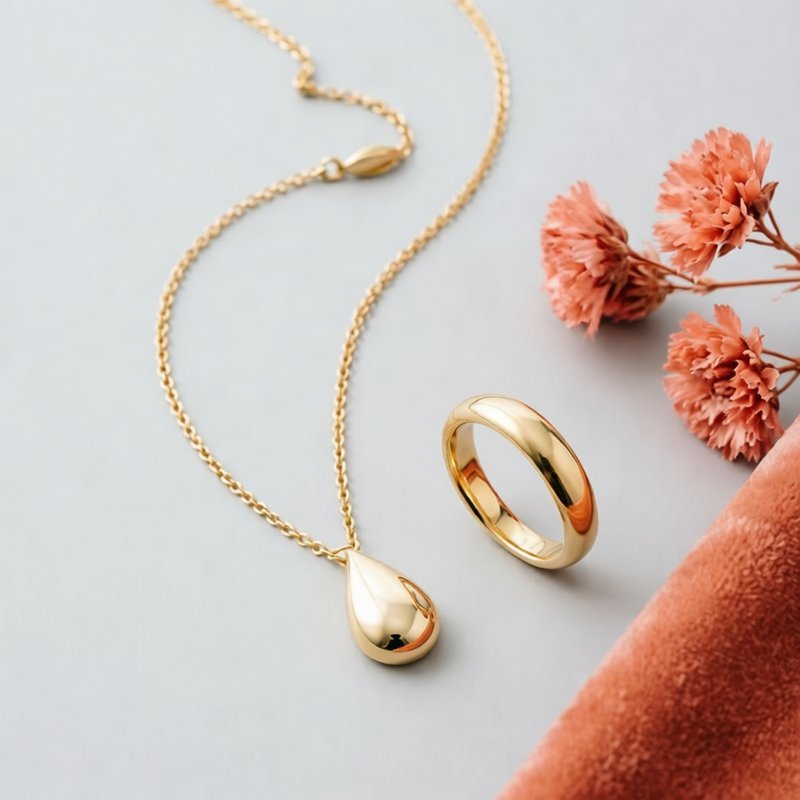
It depends on budget and use. Solid gold wins for lifelong wear and intrinsic value. Gold plated delivers the same look at a fraction of the price, ideal for trend rotation and B2B catalogs.
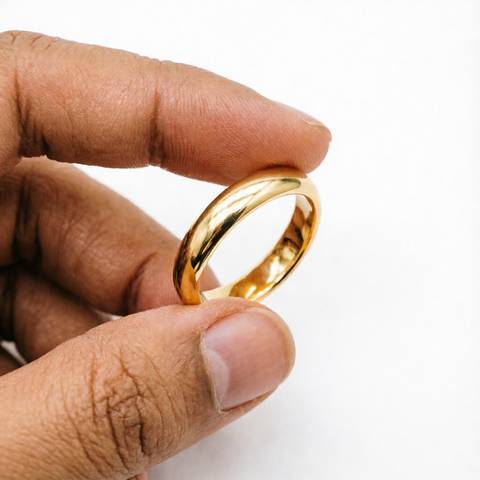
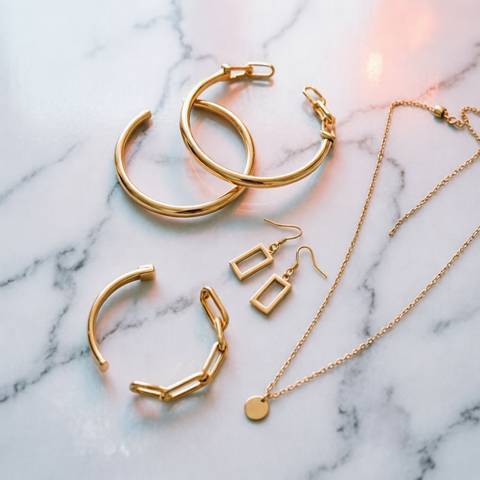
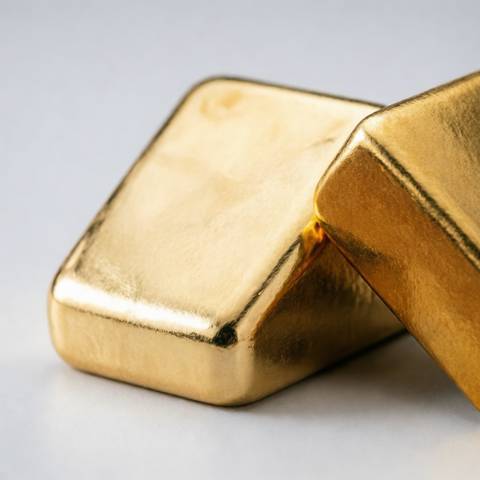
Key Differences at a Glance
Composition
Solid gold is a gold alloy (9K-24K). Gold plated is a base metal (brass, copper, or silver) coated with a thin gold layer by electroplating.
Price
Solid gold is priced by weight, karat, and market rate. Gold plated is base material plus plating — often 5-10x cheaper for the same look.
Durability
Solid gold lasts decades. Gold plated wears over years, depending on plating thickness, base metal, and wear patterns.
Skin Safety
Solid gold (18K+) is hypoallergenic. Gold plated depends on base metal, plating thickness, and nickel-release compliance.
Best For
Solid gold suits engagement pieces and heirlooms. Gold plated suits fashion rotation, wholesale, private-label, and trend tests.
Resale Value
Solid gold retains intrinsic melt value. Gold plated has near-zero resale once the surface wears.
When Solid Gold Wins
Pick solid gold for pieces meant to last a lifetime: engagement rings, wedding bands, family heirlooms. It is also right for hypersensitive skin and buyers who value intrinsic metal over initial price.
When Gold Plated Is Smarter
Pick gold plated for the solid-gold look at a fraction of the cost, when refreshing an assortment each season, when testing a trend, or when building a private-label line. For B2B catalogs of 40,000+ in-stock with 500+ new styles monthly, gold plated is the only viable model.
Our Gold Plated Standard
Hengdian (HD) Jewelry uses 18K gold plating over brass at 0.1-0.3 micron (our own factory standard); custom thickness on request. Our self-owned factory in Haifeng, Shanwei runs 5 production lines, 14 process steps, 7-day new-design turnaround. REACH/CE/SGS compliant, lead-free, nickel release within REACH limits. Browse the catalog or send an inquiry for OEM, ODM, and logo customization.
Quick Buying Guide
- Pick solid gold for lifelong wear and intrinsic value.
- Pick gold plated for trend rotation and price-sensitive assortments.
- Ask for plating thickness (micron) and base metal spec.
- Request REACH / CE / SGS docs for skin-contact orders.
- For B2B, confirm MOQ, lead time, packaging before deposit.
Frequently Asked Questions
Does gold plated turn green?
Only when the base metal is low-grade or plating wears through. Proper 18K plating over brass with REACH-compliant nickel release stays clean.
How long does it last?
Depends on thickness, base metal, and wear. Our standard is 0.1-0.3 micron 18K; thicker on request. Remove before showering, swimming, sleeping, or perfume contact.
Can you tell by eye?
Almost never when new. By feel, solid gold is heavier. Definitive verification needs an acid test or XRF analyzer.
Good for everyday wear?
Yes with care: avoid water, sweat, perfume, and friction during sports or sleep. Wipe with a soft dry cloth and store pieces separately.
Better for sensitive skin?
Solid gold (18K+) is safest. For gold plated, pick pieces documenting REACH-compliant nickel release and thicker plating.
Talk to a HD Jewelry Specialist
Need help choosing for your assortment? Our team replies on WhatsApp with catalog, pricing, and customization options within one business day.
Chat on WhatsApp