Is fading normal for gold plated jewelry?
- Share
- Issue Time
- Sep 27,2026
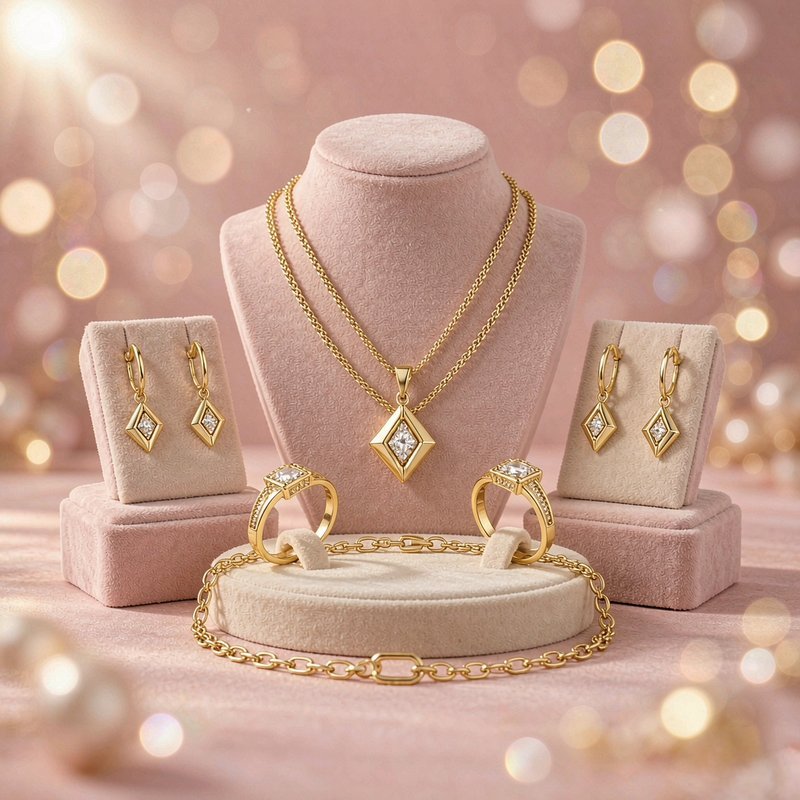
Yes - gradual fading is a normal characteristic of gold plated jewelry, not a manufacturing fault. The gold layer is a micro-thin finish over a base metal, so its tone can soften slowly over years of wear. How fast that happens depends on plating thickness, daily habits and aftercare - and all three are controllable.
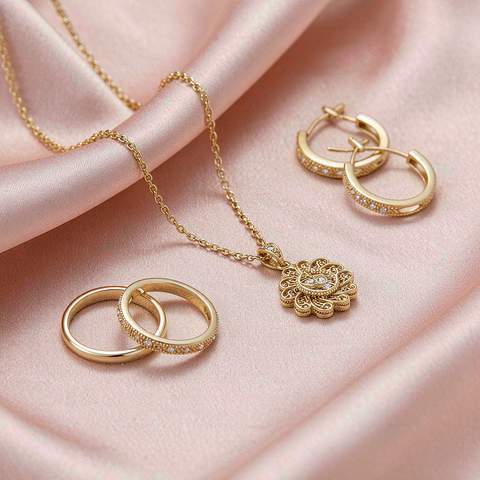
Why the Color Softens Over Time
An 18K gold plated finish is real gold deposited onto a base metal by electroplating. Because that layer is measured in microns, everyday friction and chemistry wear it down little by little:
- Friction: rings and bracelets rub against skin, clothing and surfaces all day.
- Sweat and skin pH: perspiration is mildly corrosive and varies from person to person.
- Cosmetics and perfume: alcohols and acids dull the finish when sprayed directly onto jewelry.
- Moisture and air: humid storage speeds up tarnishing of the base layer at micro-scratches.
This is ordinary chemistry and friction at work - the same behavior you will see on any plated metal at any price point. It is not evidence of fake gold: the plating itself is real 18K gold.
Normal Softening vs. a Red Flag
Normal: an even, very gradual softening of tone after months or years of wear, most visible on high-contact areas such as ring bands.
Not normal: patchy color loss within days, the base metal showing through almost immediately, or green marks on the skin. Those point to a plating-process problem, which is why it matters to buy from a supplier with in-house plating control. At our own factory in Haifeng, Shanwei (Guangdong), plating is one of the 14 processes we run across 5 production lines, so finish quality is checked in-house before shipment.
Our Plating Standard, Stated Plainly
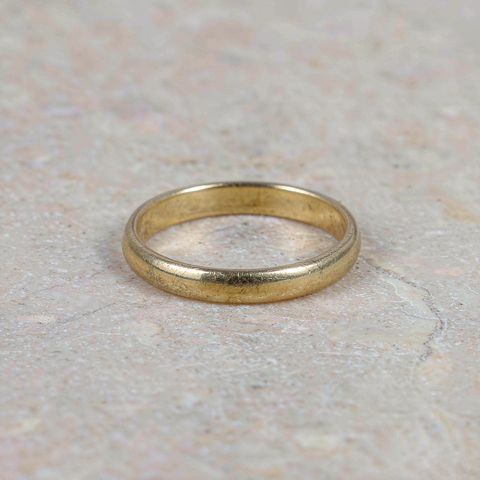
Hengdian (HD) Jewelry applies 18K gold plating over brass at our own factory standard of 0.1-0.3 micron. If your collection needs a different thickness, custom plating thickness is available on request. We quote this as our own benchmark on purpose: plating specifications vary from factory to factory, so always compare supplier datasheets instead of generic marketing claims. On skin safety, our nickel release complies with REACH limits and the alloy is lead-free; SGS-audited production and REACH / CE / SGS compliance reports are available on request.
How to Slow Fading Down
- Last on, first off: put jewelry on after dressing, perfume and lotion.
- Keep pieces away from chlorine, sanitizer and sea water.
- Wipe with a soft dry cloth after wearing.
- Store pieces dry and separated - a sealed pouch beats a humid jewelry box.
- Rotate pieces instead of wearing the same one every day.
For wholesale buyers, a short care card in each order sets expectations at the point of sale and prevents most fading questions before they start.
Quick Answers
Does fading mean the jewelry is fake?
No. The plating is real 18K gold. Fading is the layer slowly thinning, not a change of material.
How long until fading shows?
It depends on thickness, wear frequency and care. With dry storage and rotation, tone change stays gradual rather than sudden.
Can I order thicker plating?
Yes - custom plating thickness is available on request for collection production.
Do you provide compliance documentation?
Yes - SGS factory audit and REACH / CE / SGS compliance reports are available on request.
Whether you are a retailer building a private-label line or a wholesaler refreshing bestsellers, Hengdian (HD) Jewelry keeps 40,000+ pieces in stock with 500+ new designs every month. Stock MOQ is 6-12 pieces per style (styles whose product codes start with HAI start at 36 pieces), and every account is supported 1V1. Browse the full range on our products page, learn more about us, or send an inquiry / contact us for datasheets and samples.
Wondering which plating thickness fits your market? Chat with our team for samples, datasheets and a 1V1 quote.
Chat on WhatsApp