What happens if gold plating is too thin?
- Share
- Issue Time
- Sep 29,2026
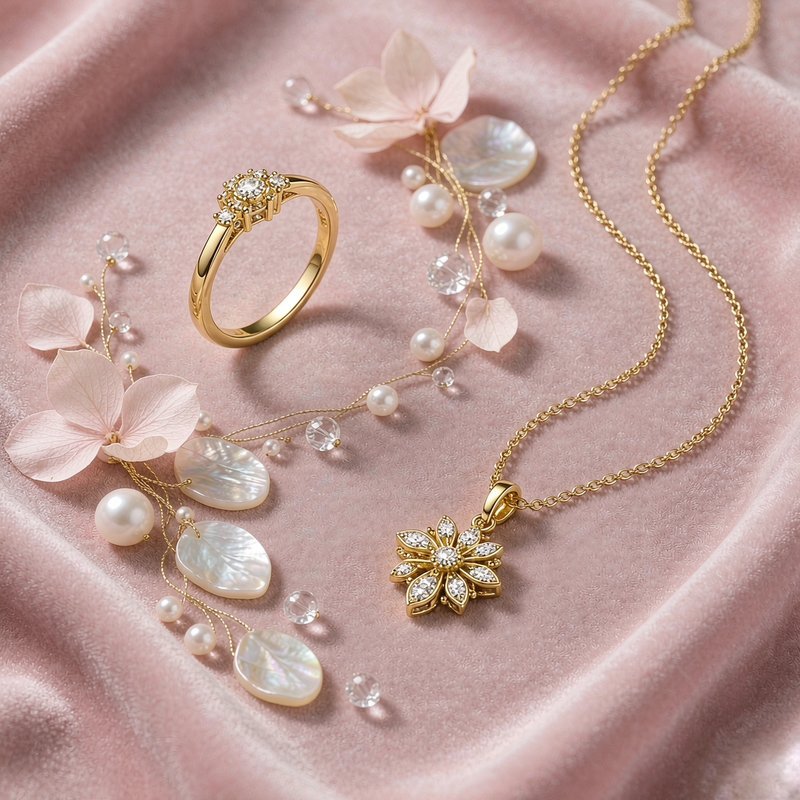
What Happens If Gold Plating Is Too Thin?
Gold plating is a real layer of gold bonded to a base metal, measured in microns rather than millimeters. A piece can look flawless on day one yet lose its finish months earlier if that layer is too thin. Knowing what thickness actually controls helps buyers compare suppliers on facts, not price alone.
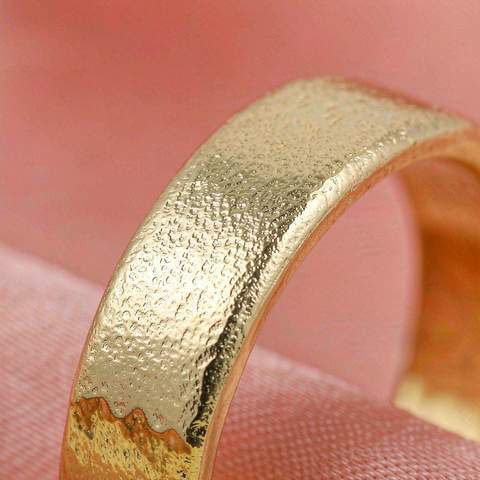
Four Things Thin Plating Causes
Color Fades Sooner
As the layer wears away at ring edges, clasps, and bracelet undersides, the warm gold tone shifts toward the paler color of the metal underneath.
Base Metal Gets Exposed
Once plating wears through, the brass below is no longer sealed, oxidizes faster, and can leave skin marks, a common reason plated pieces get returned at retail.
Shine Dulls Faster
A thinning layer reflects light less evenly, so the surface looks dull before the color changes, and fine scratches show sooner.
Shorter Repeat-Order Cycle
For B2B buyers this is the real cost: early-fading pieces drive complaints and weaker repeat orders.
Thickness Is Only Half the Story
Thicker is not automatically better. If cleaning, surface activation, and bath control are sloppy, a thick layer can peel as fast as a thin one. Adhesion and bath management decide whether the micron count on paper survives real wear, which is why serious suppliers run the full plating line in-house.
How We Control Plating Thickness
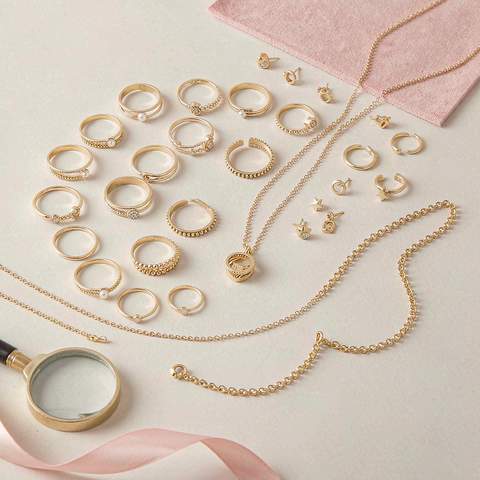
At Hengdian (HD) Jewelry, plating is one of the 14 in-house processes we run across 5 production lines at our own factory in Shanwei, Guangdong. Our own plating standard is 0.1 to 0.3 micron of 18K gold over brass, an internal standard for fashion jewelry rather than an industry-wide figure, stated plainly so buyers can compare like for like. Custom thickness is available on request.
Every batch is backed by our SGS factory audit and REACH / CE / SGS compliance reports. Our brass is lead-free, and nickel, where present, is a controlled additive whose release meets REACH limits. With 40,000+ stock items and 500+ new designs monthly, thickness decisions never slow your launches.
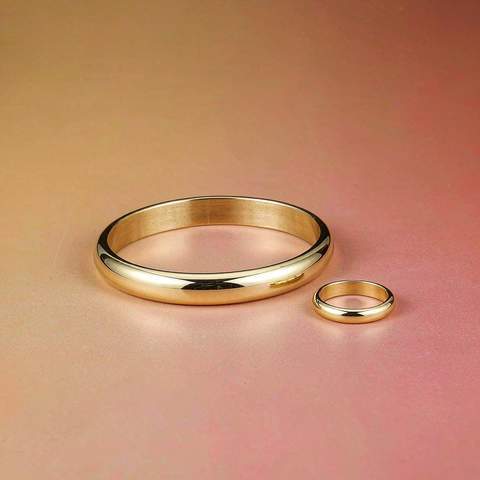
How to Judge Plating Before You Commit
- Ask for the number. A supplier who states plating thickness and the full layer system is easier to hold accountable than one who only says "gold plated".
- Request adhesion and wear tests. Tape, rub, salt-spray, and artificial-sweat reports reveal more than any product photo.
- Test real samples. We offer 5 to 7 free stock samples (freight prepaid by the customer) so you can wear-test the exact plating.
Quick Answers
Is thicker gold plating always better?
No. Adhesion and bath control decide whether thickness survives wear. A well-bonded layer from a controlled line outlasts a thicker, poorly bonded one.
What plating thickness does Hengdian (HD) Jewelry use?
Our own standard is 0.1 to 0.3 micron of 18K gold over brass, and custom thickness is available on request.
Does thin plating affect skin safety?
The main effect comes from exposed base metal after wear-through, not from the gold itself. Our brass is lead-free and nickel release meets REACH limits.
Can I order samples to test the plating?
Yes, 5 to 7 free stock samples; freight is prepaid by the customer and shipping starts once freight is received.
Need Plating Specs for Your Market?
Message Mr. Henry Li on WhatsApp for plating specs and samples.
Chat on WhatsApp