What are common quality issues in gold plated jewelry?
- Share
- Issue Time
- Oct 2,2026
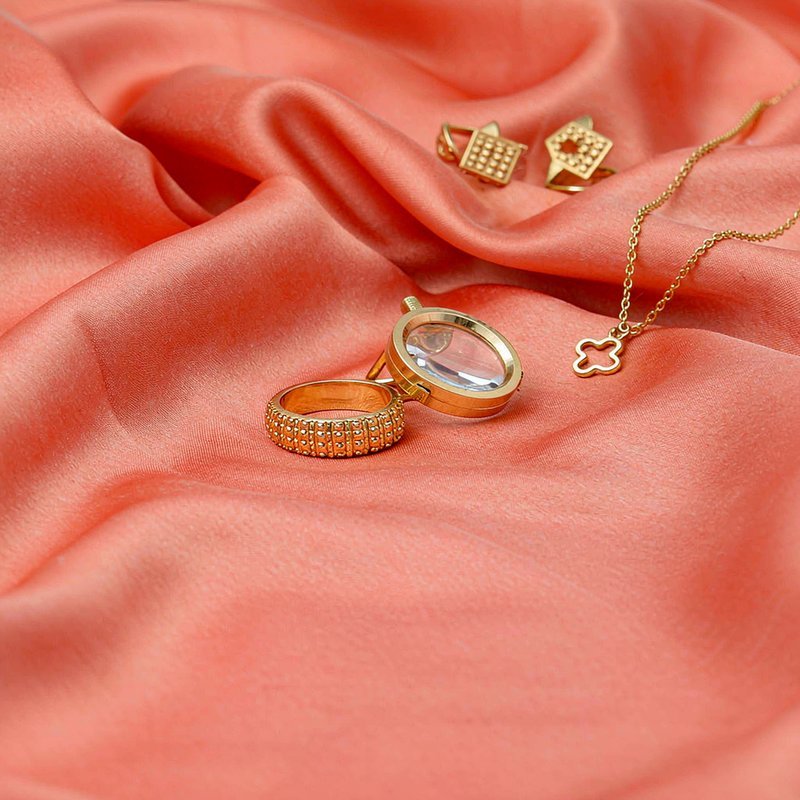
Gold plated jewelry offers the warm look of gold at a fraction of the cost, but quality varies between suppliers. Knowing the most common quality issues - and their root causes - is the fastest way to separate a reliable manufacturer from a risky one. Here are the six we see most often, and how a well-run factory prevents them.
Plating Wear and Fading
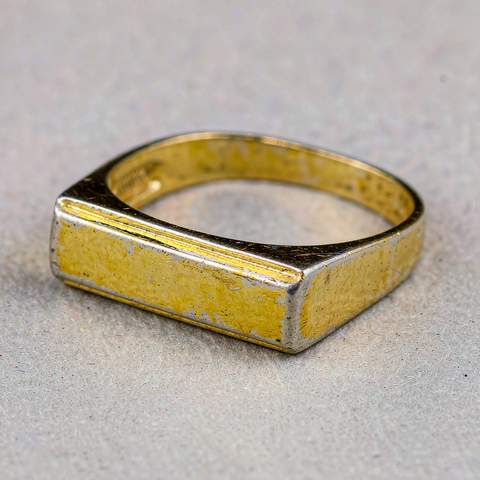
The most frequent complaint. The gold layer wears through at high-friction zones such as ring edges and chain links. Thickness and adhesion decide how long the color lasts.
Tarnish and Discoloration
Gold does not tarnish, but the base metal below can. If plating is porous, moisture and airborne sulfur migrate through and form dark spots at edges and solder joints.
Flaking or Peeling
When plating lifts in patches rather than wearing down, the cause is poor surface preparation - residue or oxides left before plating. No thickness compensates for a contaminated surface.
Uneven or Blotchy Color
Tone variation within a batch signals loose bath control. Mismatched pieces are instantly visible on a retail shelf.
Loose or Missing Stones
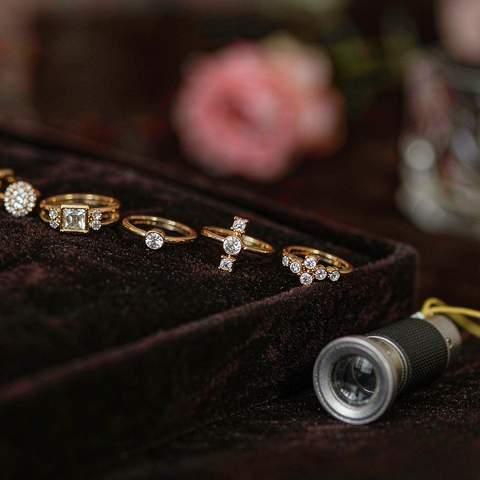
Poorly seated prongs or glue-only settings let stones shift or drop out within weeks. Under magnification, check that each stone sits level with even prongs.
Rough Edges and Finishing
Burrs, casting pits and unpolished inner surfaces snag clothing and read as cheap instantly. Consistent tumbling, polishing and final inspection separate premium pieces from rejects.
How a Controlled Factory Prevents These Issues
Most quality problems trace back to process discipline, not material cost. At Hengdian (HD) Jewelry, every piece passes through 14 controlled processes across 5 production lines at our own factory in Haifeng, Guangdong, from surface preparation to final polishing. Our standard is an 18K gold layer of 0.1-0.3 micron over brass under our own quality standard; custom plating thickness is available on request. Our factory is SGS-audited; materials meet REACH and CE requirements, with nickel release within REACH limits and lead-free formulation. The same controls apply across 40,000+ in-stock styles and 500+ new designs monthly - browse them at our products list.
How to Check Quality Before You Order
- Rub high-contact areas with a soft cloth 20-30 times and look for color transfer.
- Inspect edges and ring interiors under a loupe for porosity or flaking.
- Confirm stones sit level with evenly tensioned prongs.
- Compare several pieces from the same batch for tone consistency.
A serious supplier welcomes this scrutiny and provides pre-production samples, so you test the actual run, not a showroom piece. Free samples (5-7 pieces) are available; learn more about us at the about page.
Quick Answers
Does thicker plating always mean better quality?
Up to a point - adhesion and surface preparation matter just as much.
Can worn pieces be restored?
Yes - pieces with sound base metal can be polished and re-plated by a professional service.
What plating do you use?
Our standard is 0.1-0.3 micron of 18K gold over brass; custom thickness is available on request.
Have a question about a specific style? Our 1-on-1 team replies within hours.
Chat on WhatsAppPrefer email? Find us at our contact page or send requirements via the inquiry form.