How does daily friction affect gold plating?
- Share
- Issue Time
- Oct 4,2026
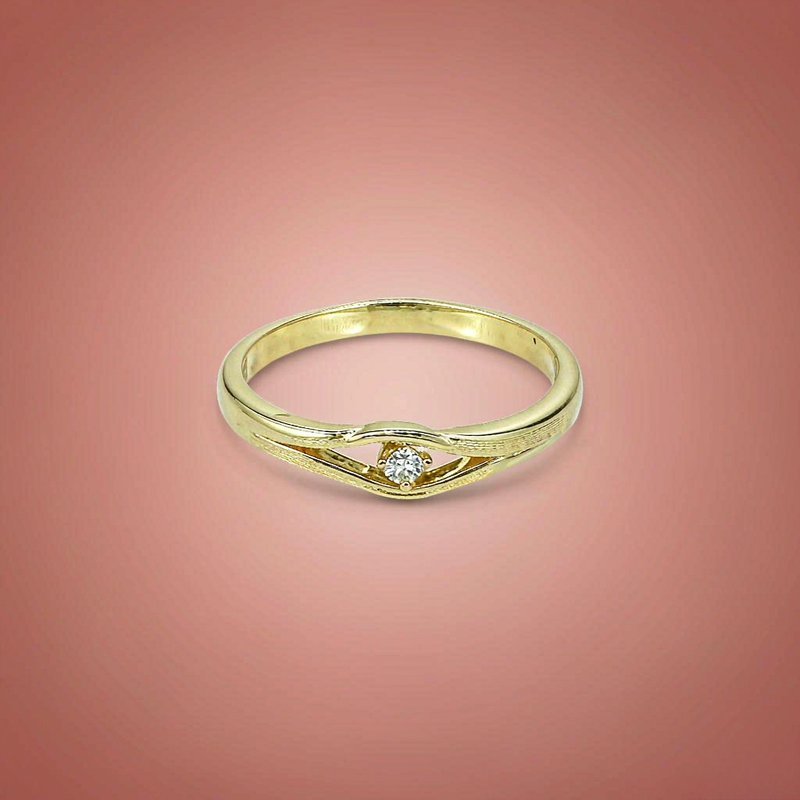
Of everything that touches a plated finish, daily friction is the most constant force. A plated surface never fails in one dramatic moment; thousands of small monthly contacts against sleeves, skin, bags and other jewelry quietly reshape it. Knowing this helps brands set expectations and choose the right specification.
What Friction Actually Does to a Plated Surface
A plated finish is a thin layer of gold over a base metal, usually brass. Because the layer is measured in microns, mechanical rubbing is the force it feels most. Every time a ring turns on a finger or a bracelet slides across a desk, microscopic particles of the top layer are displaced. Over months the most-touched zones grow thinner and the warmer tone of the base metal shows through. The change is gradual, so it is often mistaken for a defect.
Where Friction Wear Shows Up First
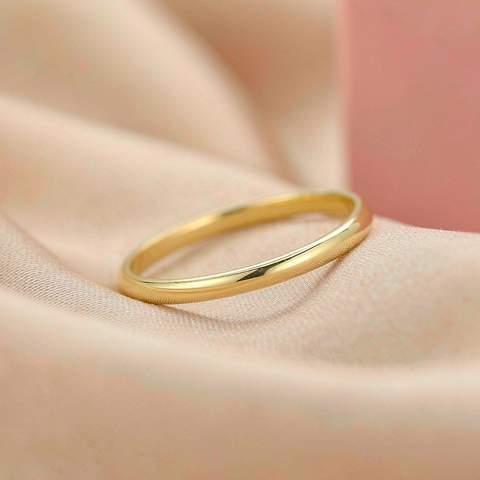
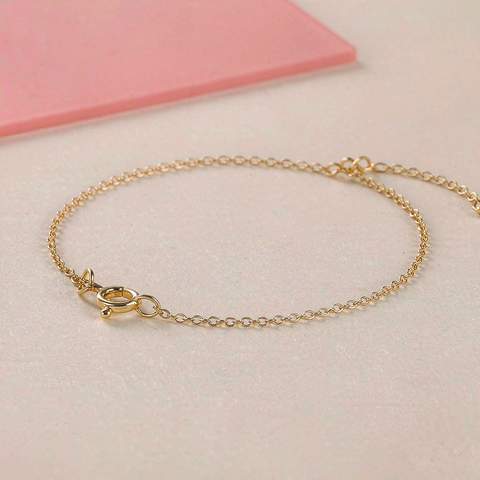
Friction is not evenly distributed, so plated pieces age in predictable places. On rings, the outer band and the inner surface gripping the finger take the most rubbing. Bracelet links rub against each other with every wrist movement, and clasps work constantly. Necklaces wear at the back of the chain and at the clasp. Stacked pieces accelerate this, because metal then rubs against metal.
How We Control Friction-Related Wear in Production
Plating durability is decided long before a piece reaches the shelf. At our own factory in Shanwei, Guangdong, plating sits at the end of 14 in-house processes across 5 production lines, so thickness and adhesion are checked on our own floor. Surface preparation matters too: a clean, level base bonds better against rubbing. Our plated jewelry is lead-free and nickel release meets REACH limits. For buyers whose customers wear jewelry daily, we also produce custom plating thickness to match a target price and lifespan.
Practical Ways to Slow Down Friction Wear
- Remove rings and bracelets before gym sessions, cleaning or rough handwork.
- Avoid stacking several pieces on the same finger or wrist daily.
- Store each piece separately in a soft pouch so chains do not rub.
- Wipe pieces gently with a soft cloth after wearing.
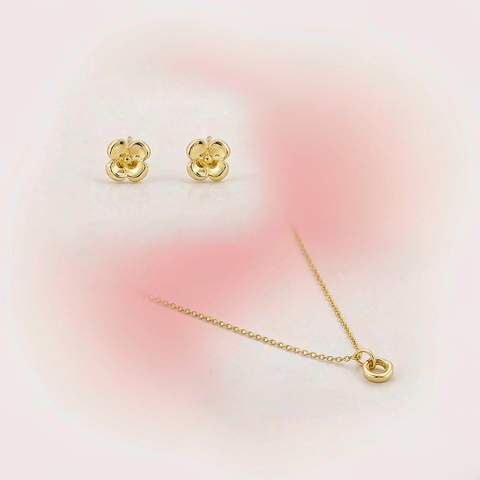
These habits cost nothing and extend the life of a plated collection; sharing them helps retailers cut after-sales questions. Building a collection? At Hengdian (HD) Jewelry we offer 1V1 service, 40,000+ in-stock designs, 500+ new designs monthly, stock MOQ of 6-12 pieces per style and 5-7 free samples (freight prepaid). Browse our products list, reach us via our contact page, or start a project through our inquiry page.
Quick Answers
Can daily friction wear off gold plating completely?
Over long periods, yes. The layer is micron-thin, so high-contact zones thin first. Care habits and plating thickness both matter.
Do rings wear faster than necklaces?
Usually yes. Rings meet far more surfaces daily, while a necklace mainly rubs at the back of the chain and the clasp.
Can we order a thicker plating for durability?
Yes. Custom plating thickness is available on request; tell us your market and price point and we will recommend a build.
Does friction change the color or cause skin marks?
As the layer thins, the base tone can show through. Our plated jewelry is lead-free and nickel release meets REACH limits.