What causes discoloration in gold plated jewelry?
- Share
- Issue Time
- Oct 7,2026
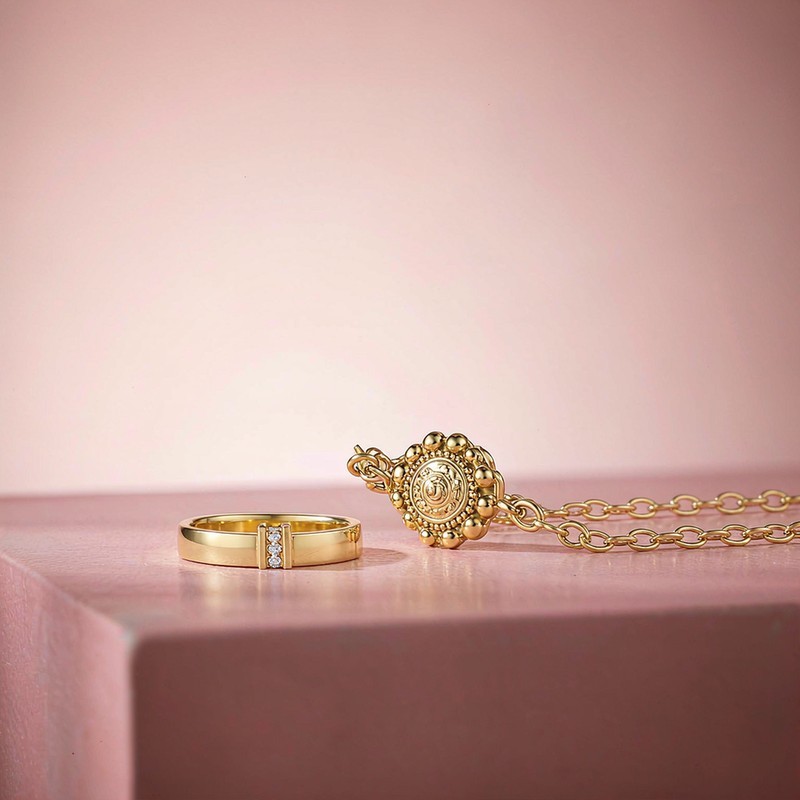
What Causes Discoloration in Gold Plated Jewelry?
Discoloration in gold plated jewelry usually comes from the thin gold layer wearing down or reacting with everyday substances. As it thins, the brass beneath shows through as darker or dull patches. Main triggers: friction, chemical exposure, sweat, and trapped moisture. With sound plating quality and basic care, color stays bright far longer.
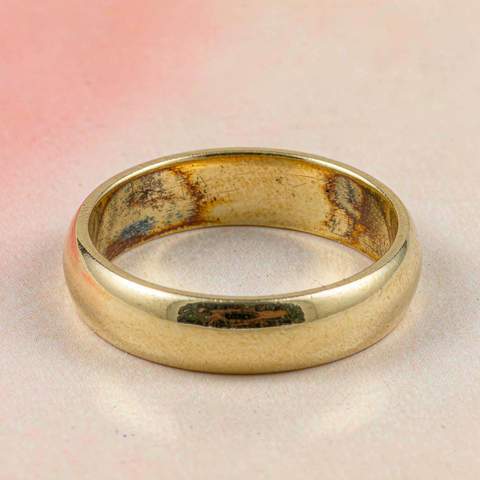
The Four Main Causes of Discoloration
Plating Wear and Thinning
Gold plating is a micro-thin layer over a base metal, so constant contact wears it away. Rings thin on the inner band, bracelets on edges, chains where links rub. Once it is too thin, the brass beneath shows through as dark, blotchy areas. Thickness is the key variable - our own factory standard is 0.1-0.3 micron of 18K gold over brass (custom thickness on request).
Chemical Exposure
Perfume, cosmetics, chlorine and household cleaners all react with plated surfaces. Some slowly strip the gold layer; others leave dull films or dark spots. Discoloration is often uneven because only frequently touched areas change.
Sweat and Skin Chemistry
Sweat pairs moisture with natural body acids, and every wearer is different. Long damp contact - workouts, humid climates, sleeping in jewelry - speeds up surface reactions, so the same piece darkens faster on some customers.
Moisture and Storage
Humidity, showering and open-air storage keep the surface wet, accelerating oxidation and tarnish. Pieces left loose in a bathroom lose color sooner than pieces kept dry and sealed.
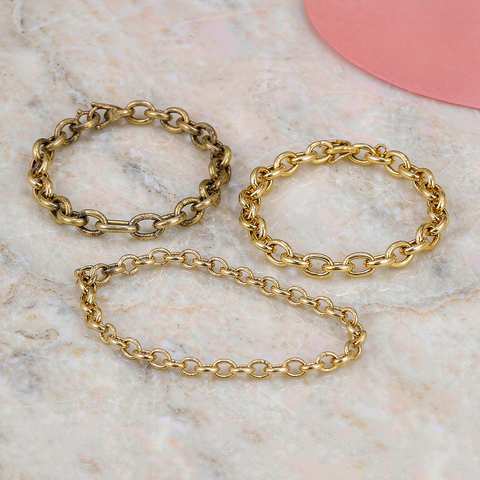
How to Slow Down Discoloration
Apply first, wear second. Put jewelry on after perfume, lotion and makeup so residue never sits on the plating.
Keep it dry. Remove pieces before showering, swimming or workouts.
Wipe after wearing. A soft dry cloth removes sweat and skin oils before they react overnight.
Store sealed. Keep each piece in its own sealed bag; our stock ships in OPP bags because sealing limits air and moisture.
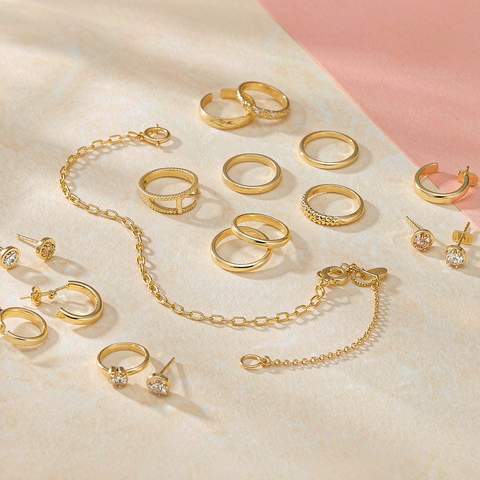
How We Reduce Discoloration Risk
Discoloration resistance is decided at the factory. At Hengdian (HD) Jewelry, base metal preparation through final plating all runs inside our own factory in Shanwei Haifeng, Guangdong - 5 production lines, 14 in-house processes. We use lead-free materials with nickel release within REACH limits, documented by an SGS factory audit plus REACH, CE and SGS reports. With 40,000+ in-stock designs and 500+ new designs monthly, buyers get consistent plating quality at scale - see our products list or read about our company.
Frequently Asked Questions
Is discoloration a sign of fake gold plated jewelry?
No. Discoloration is a normal stage in the life of plated jewelry, not proof of a fake. It simply means the layer has thinned or reacted at the surface; quality, thickness and care decide how fast.
Can discolored gold plated jewelry be restored?
Often yes. Mild dullness can usually be cleaned off, and real plating wear can be renewed by professional re-plating. Heavy base-metal exposure is less economical to fix - prevention costs less than repair.
Does discoloration mean the plating is peeling?
Not necessarily. Thinning shows first as gradual color change in high-contact zones. Peeling is a separate failure, usually from poor surface preparation or plating bath control - process issues, not user damage.
Still deciding on plating specs for your market? Our team answers wholesale questions one-on-one.
Chat on WhatsAppPrefer email? Contact us or send an inquiry for material options and quotes.