What causes discoloration in gold plated jewelry?
- Share
- Issue Time
- Oct 9,2026
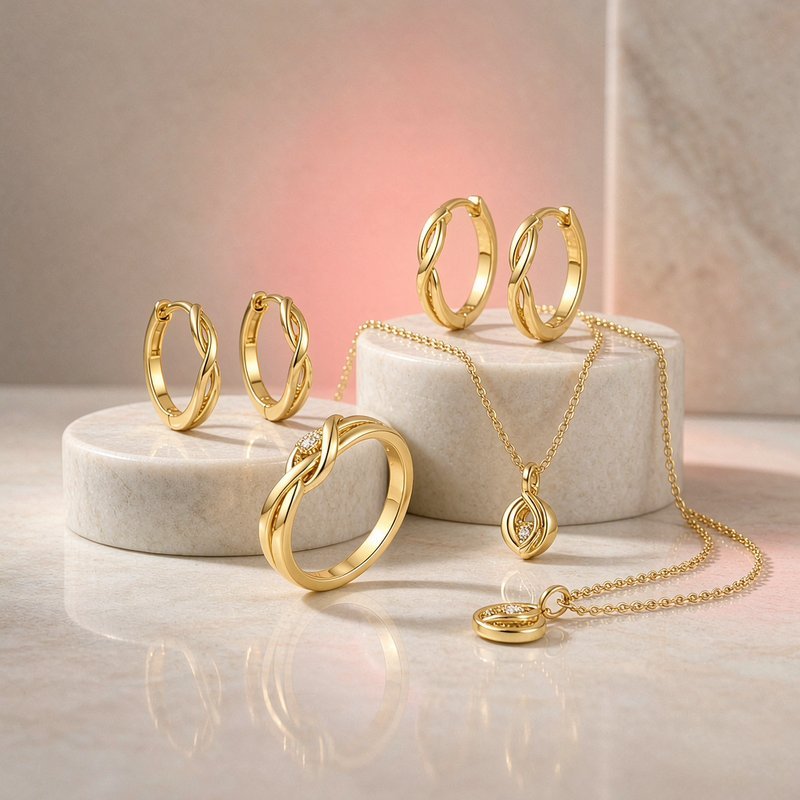
Discoloration in gold plated jewelry is almost always a surface reaction, not a defect in the gold layer. Gold does not rust or corrode like a base metal. What darkens or dulls is usually a thin film of residue - sweat, cosmetics, oils, and oxidation products - on the plating. Less often it is mechanical: plating too thin, friction, or trapped moisture. That decides whether a piece can be cleaned or needs replating.
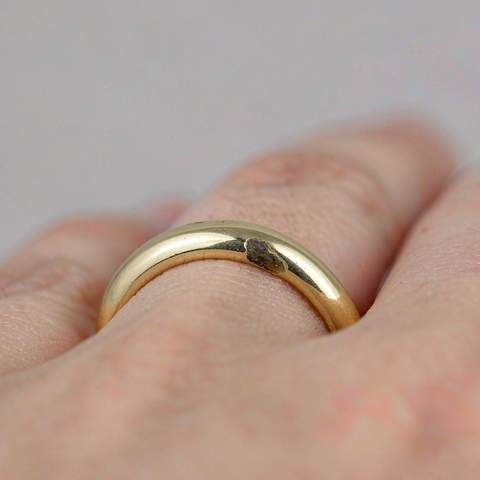
What actually causes the color change
Discoloration is rarely one event. It combines what a piece touches, how it is worn, and how evenly the gold layer was applied.
Body chemistry and sweat
Perspiration carries salts and acids that leave a dull, dark film, especially on acidic skin.
Cosmetics and personal care
Perfume, sunscreen, cream, deodorant, and soap leave residues that react with the plating.
Moisture and chlorinated water
Pools, hot tubs, saltwater, and hot showers expose the layer to chlorine and salts.
Friction and abrasion
Harder jewelry, watch bands, and constant rubbing thin the plating at high points.
Cleaning and household chemicals
Bleach, ammonia, and abrasive polishes attack plating far faster than warm water.
Thin or uneven plating
When gold is applied too thinly, the base metal reads through sooner.
Surface film or worn plating?
Check the symptom before assuming the piece is failing; the two behave very differently.
Surface film reversible
- Dark, grey, or slightly greenish haze
- Dull but even, and lifts off with warm water
Worn plating needs renewal
- Patchy loss of gold color at edges or high points
- Bare spots that stay bare after gentle cleaning
How plating thickness is controlled in production
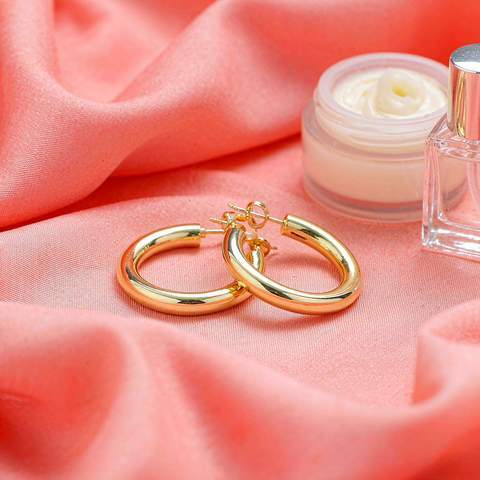
Plating thickness is the biggest factor a manufacturer controls, set per style rather than applied uniformly. Our own standard for 18K gold plating over brass is 0.1 to 0.3 micron, a house specification rather than an industry-wide figure, and custom thickness is available on request. Production runs in our own factory in Shanwei, Haifeng, across five lines and 14 controlled processes, then re-checked at our Guangzhou warehouse. Stock styles are held at 6 to 12 pieces per style (36 for codes beginning with HAI), samples of 5 to 7 pieces ship with freight prepaid by the buyer, and each account gets 1-to-1 service. See our product list or read more about our factory.
Prevention checklist
- Put jewelry on last, once perfume, lotion, and sunscreen have dried.
- Remove pieces before swimming, showering, or working out.
- Wipe each piece with a soft dry cloth after wearing.
- Store items separately, away from moisture and sun.
- Keep plated pieces away from bleach and abrasive polishes.
Quick answers
Is discoloration a quality defect?
Usually not. Surface discoloration is a residue film and is reversible. It only signals a plating issue when the gold layer is worn through.
Can discoloration be cleaned off?
Yes, when it is a film. Warm water, mild soap, and a soft cloth remove most of it. Skip abrasives and ultrasonic cleaners.
Does darkening mean the plating is gone?
Rarely. Darkening sits on the surface. If you see a brighter metal at the edges, the plating has worn thin there.
Does plating thickness change how fast it discolors?
Yes. A thicker, evenly applied layer resists wear longer, so thickness is set per style.
Planning a production run and need help specifying plating? Send your design and target market, and we will advise on thickness, finish, and MOQ.
Chat on WhatsApp