Is peeling a sign of poor gold plating?
- Share
- Issue Time
- Oct 10,2026
Is peeling a sign of poor gold plating?
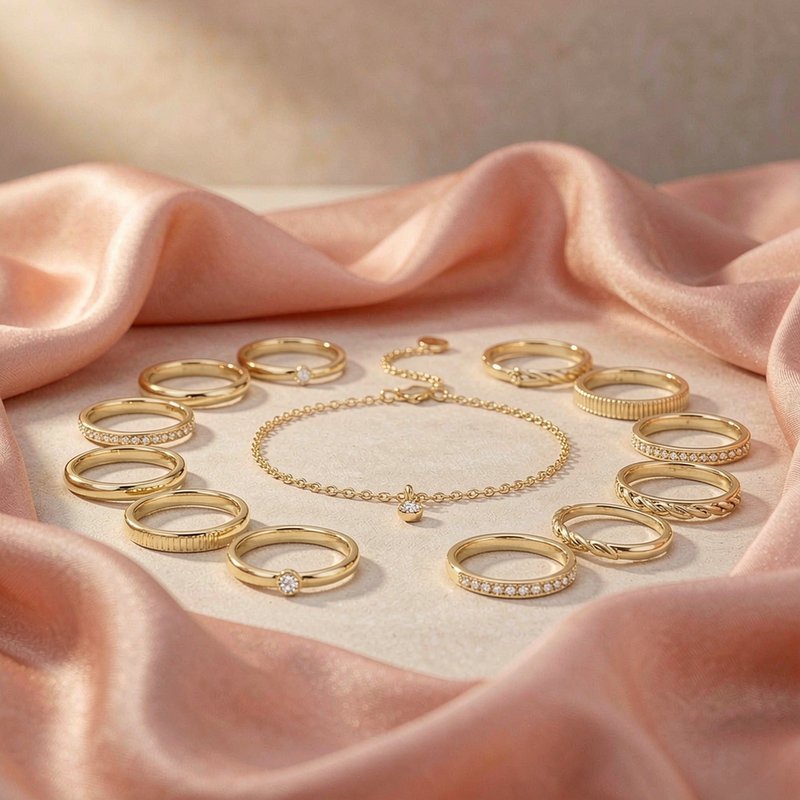
Sometimes, but not always. Peeling means the gold layer has separated from the base metal underneath, which traces back to two things: how the plating was applied, or how the piece has been worn. A professionally plated finish should stay bonded through normal wear, so peeling on a nearly new piece deserves a closer look. Telling the two apart helps you judge suppliers fairly.
When peeling points to a plating problem
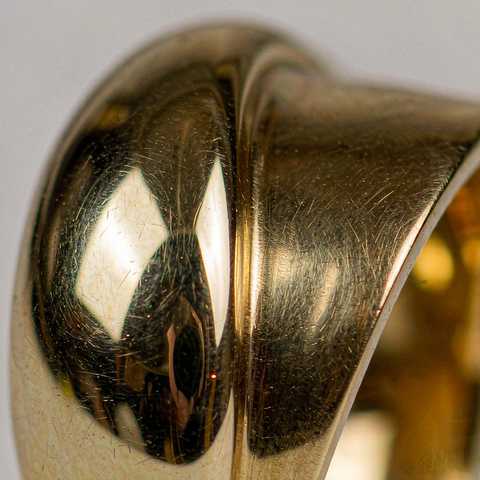
Four process causes are worth checking in any supplier:
Layer applied too thin
A thin layer wears through and lifts at the edges soon after daily handling begins.
Poor surface preparation
Residue or oil on the base metal blocks the gold-to-brass bond; a piece can look perfect at delivery and peel weeks later.
Contamination in the bath
Impurities or unbalanced chemistry produce a weak deposit that adheres poorly.
Skipped adhesion steps
Cleaning, activation, and strike layers precede the gold bath; cutting them causes peeling.
When peeling is wear, not a defect
Even a well-bonded layer wears down in harsh conditions: perfume, lotion, and chlorine attack the surface, friction thins high-contact zones, and damp storage speeds it up. In these cases the plating did its job. The finish thins gradually instead of lifting in sheets, which is the key visual difference.
How to tell the difference
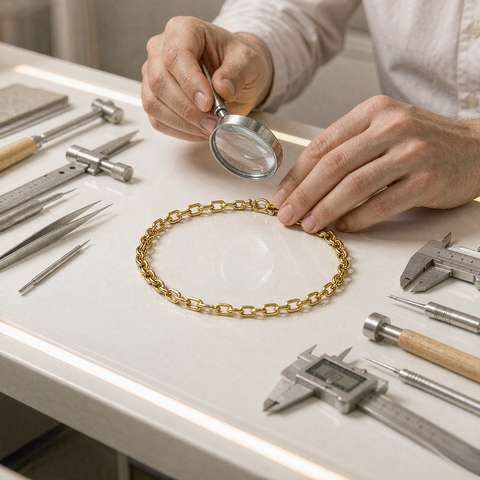
Process issues produce patches or edge lifting within the first weeks of normal wear; ordinary wear thins gradually over a year or more. And if silver or gray metal shows under the worn area, the layer has failed rather than simply dulled.
How a professional process prevents peeling
Adhesion is built into the process, not patched afterward. At Hengdian (HD) Jewelry, 18K gold plating over brass follows our own factory standard of 0.1 to 0.3 micron, a figure specific to our line and not an industry-wide benchmark, with custom plating thickness available on request. Every piece passes through 14 in-house processes across 5 production lines, so adhesion problems are caught before shipment. Our Shanwei, Guangdong factory is SGS-audited, with REACH, CE, and SGS reports on file; pieces are lead-free and nickel release stays within REACH limits.
Four habits that keep plating bonded
Last on, first off
Jewelry goes on after perfume and lotion, off before swimming or the gym.
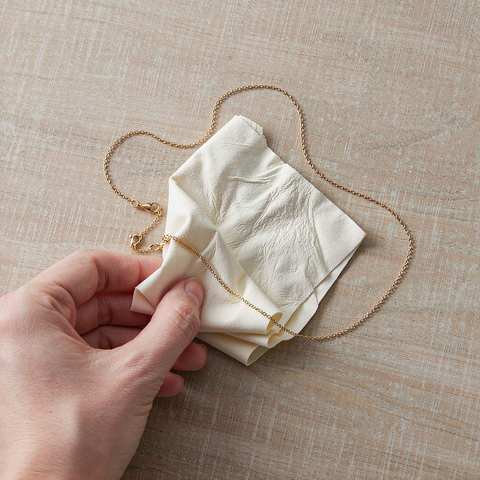
Wipe after wear
A soft, dry cloth removes sweat and residue that attack the layer.
Store dry and separate
A sealed pouch away from humidity beats a crowded tray.
Keep it off abrasives
Rough surfaces and stacked rings grind the finish down fast.
Quick answers
Can peeling gold plated jewelry be repaired? Usually yes: the piece is stripped and re-plated, far cheaper than replacing it.
Does thicker plating mean it will never peel? No layer is immune; thickness extends wear time, but bonding quality and daily care decide it.
How do I check a supplier's plating before ordering? Ask for the plating spec, adhesion test method, and third-party reports, then test a sample. Hengdian (HD) Jewelry offers 5 to 7 free stock samples (freight prepaid by the buyer); reach our team via our contact page.
Still deciding on a plating spec? Chat on WhatsApp for direct answers on thickness, testing, and custom specs. You can also send an inquiry through our inquiry page, browse our in-stock catalog, or learn more about our factory.