How long does it take for 18K gold plated jewelry to tarnish?
- Share
- Issue Time
- Sep 18,2026
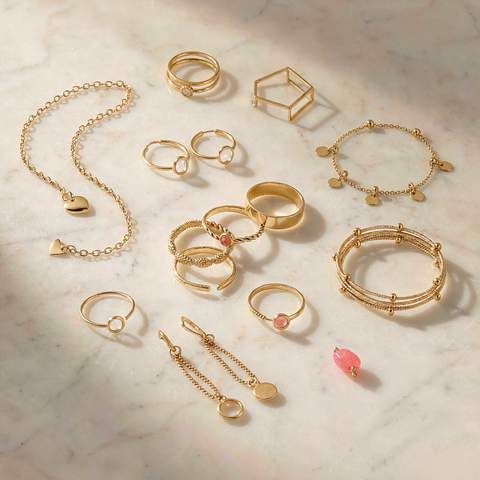
How long does it take for 18K gold plated jewelry to tarnish?
There is no fixed date. Timing depends on skin chemistry, climate, storage and, above all, how often a piece is worn. In normal daily wear the pattern is fairly predictable, and understanding it lets you set honest expectations with your own customers instead of guessing.
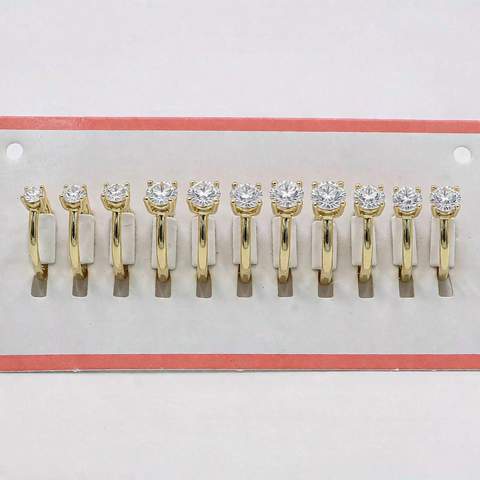
Typical timeline with everyday wear
- Month 0-3: bright and stable, with no visible change under normal care.
- Month 3-6: possible slight dulling at the highest-friction points such as ring shanks and clasp edges.
- Month 6-12: a faint warm tone may appear where the coating is thinnest. Gentle cleaning restores most of the original shine.
- Beyond 12 months: on continuously worn pieces the base may begin to show at contact points, where re-plating becomes the professional fix.
Why two identical pieces age differently
Wear frequency
A piece worn twice a week and rested in dry storage lasts far longer than the same piece worn daily to the gym, the pool or the shower.
Skin chemistry
Higher acidity in sweat reacts faster with the brass base, so two wearers of the same style can see different results in the same month.
Climate
Humidity, salt air and sulfur pollution all speed oxidation. Buyers in tropical or coastal markets should plan for shorter intervals.
Plating thickness
A thicker gold layer takes longer to breach. Hengdian (HD) Jewelry applies 0.1-0.3 micron 18K gold as our own standard, and custom thickness is available on request.
The questions buyers ask us most
How to extend the timeline
- Put jewellery on last and take it off first.
- Remove pieces before showering, swimming, the sauna or the gym.
- Wipe with a soft dry cloth after every wear and store fully dry.
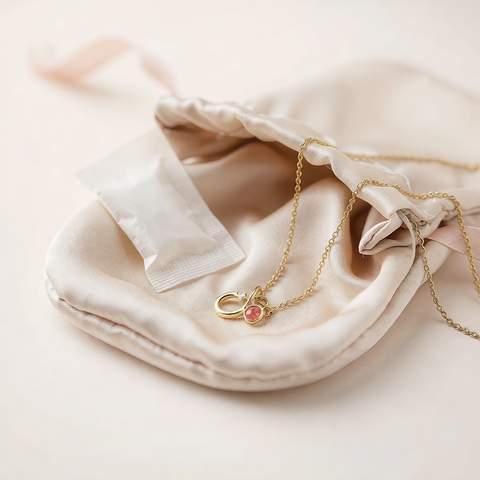
- Keep stock in a cool, dry place with a drying sachet, not in a damp drawer.
- Specify a thicker plating layer for markets with fast turnover or humid air.
See the available 18K gold plated styles, read about our production standards, or check the full FAQ list.